
Technology is reshaping dentistry faster than ever. From AI diagnostics to robotic-assisted surgery, digital tools are helping dentists provide more precise, efficient, and personalized care. These innovations improve treatment outcomes and create opportunities for preventive care and education.
AI-Powered Diagnostics: Catch Problems Early
Artificial intelligence is revolutionizing how dentists detect oral health issues.
- Early detection of cavities: AI can spot tiny caries invisible to the naked eye.
- Periodontal disease analysis: Subtle tissue changes are identified before symptoms appear.
- Faster, more accurate radiograph review: Reduces human error and speeds up diagnosis.
By detecting problems early, AI helps patients avoid complex procedures—keeping more of your natural teeth intact.
Robotic-Assisted Surgery: Precision You Can Trust
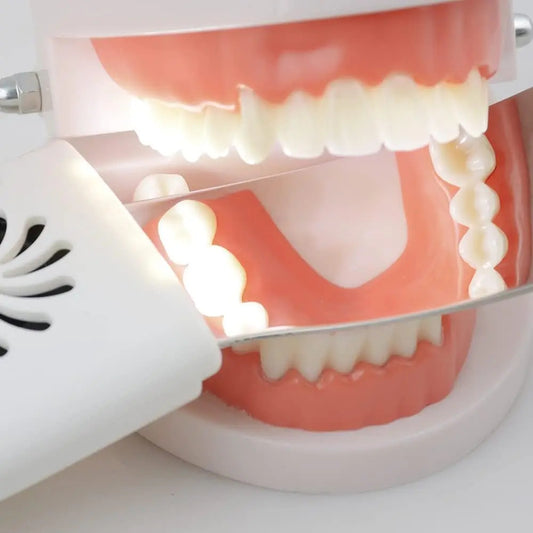
Computer-guided robotic arms are increasingly used to assist in dental procedures, especially implant placement.
- Extremely precise implant positioning
- Real-time adjustment if the patient moves
- Reduced human error and surgical complications
- Improved comfort and recovery for patients
Robotic assistance ensures implants and restorations align perfectly, mimicking the accuracy of natural teeth.
VR & AR in Education and Treatment
Virtual reality (VR) and augmented reality (AR) are changing dental training and patient care.
- VR for students: Simulated procedures allow dental students to practice safely and repeatedly.
- AR during procedures: Guides dentists with real-time overlays for accurate implant placement and restorations.
- Enhanced patient understanding: Patients can visualize procedures before treatment, reducing anxiety.
Why Digital Dentistry Still Relies on Good Oral Care
Even with AI and robotics, daily preventive care is irreplaceable. Healthy teeth reduce the need for complex treatments.
- Brush at least twice a day
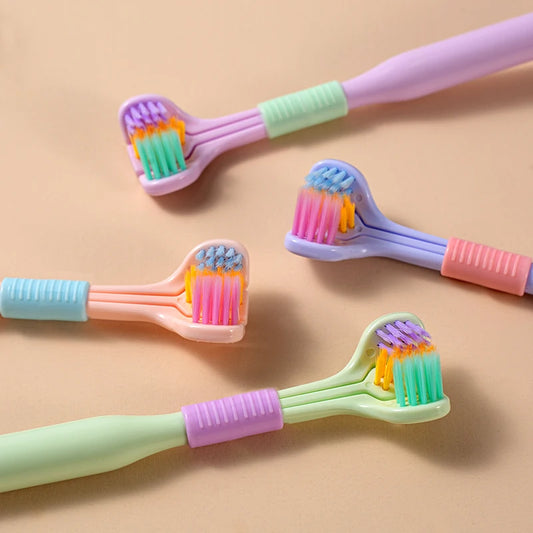
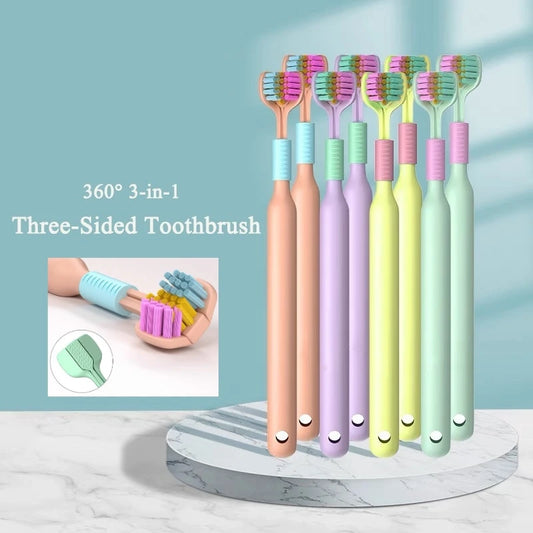
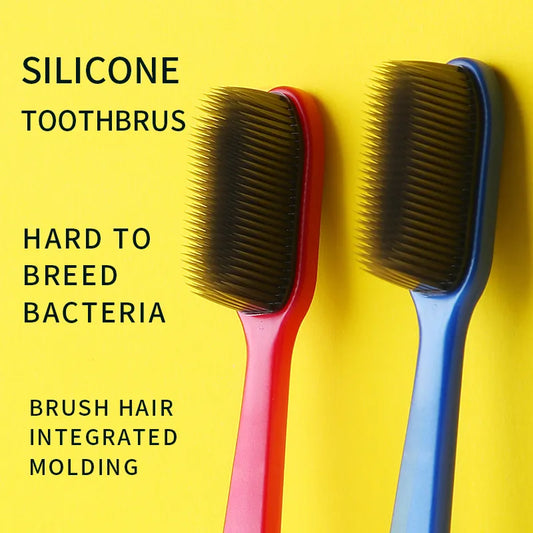
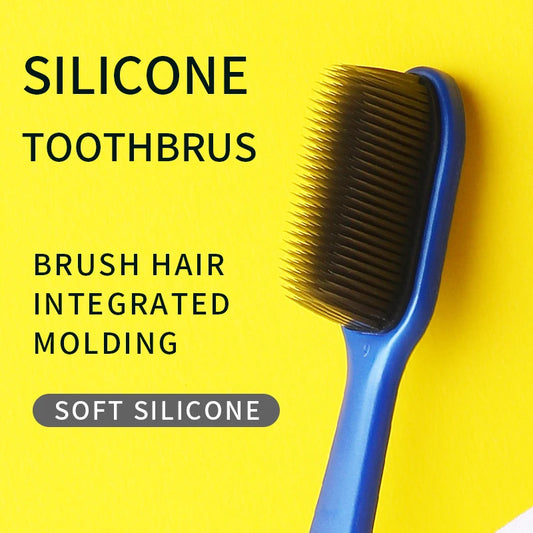
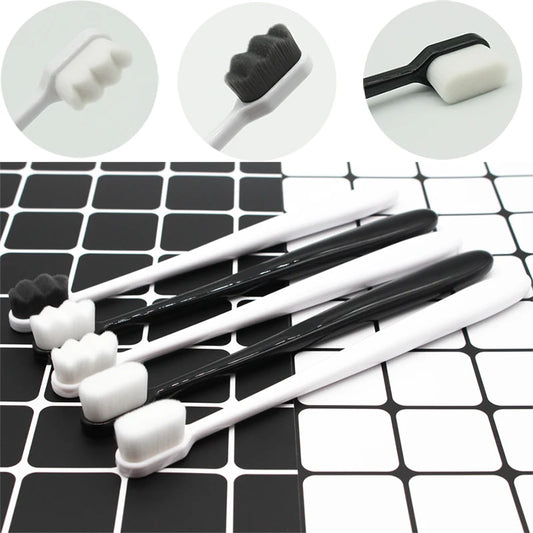
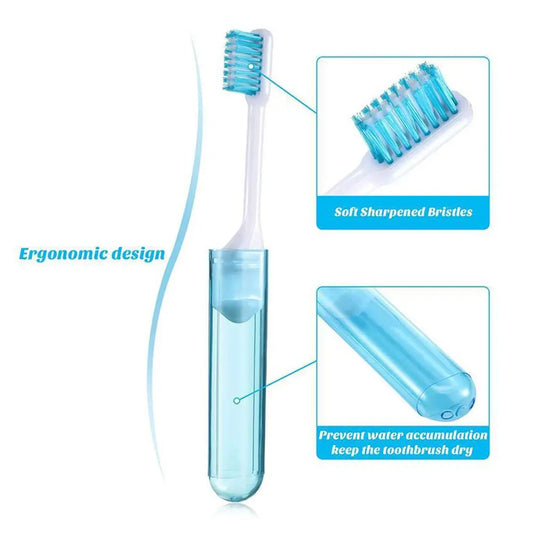
- Replace your toothbrush regularly
- Floss to protect gums and interdental spaces
- Maintain routine dental checkups
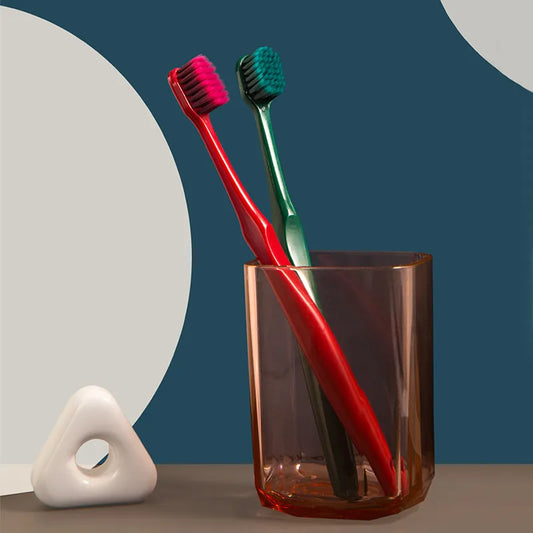
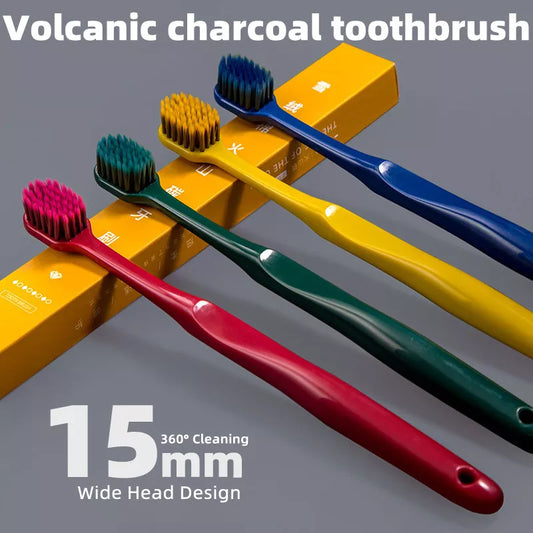
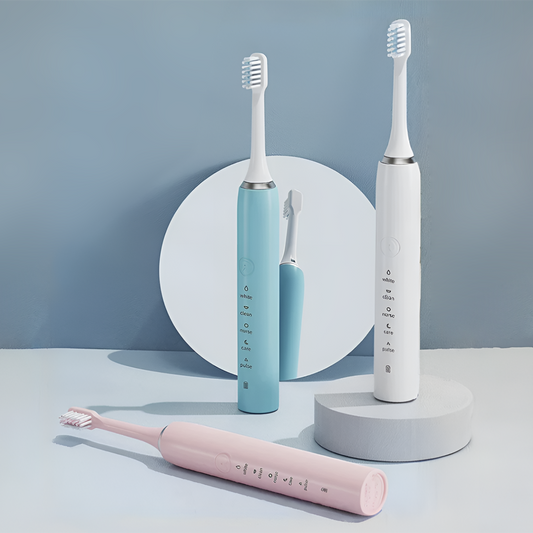
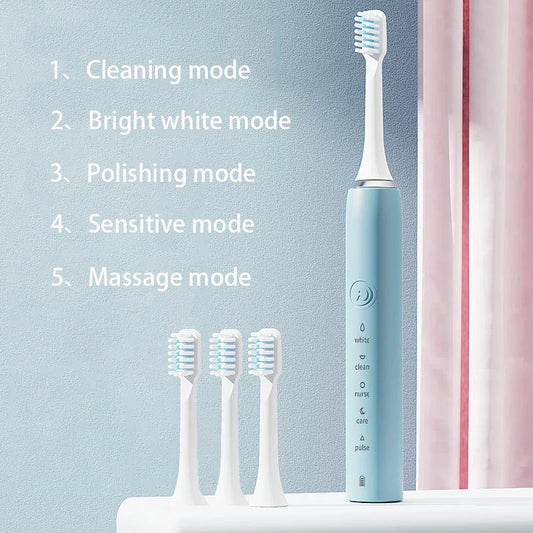
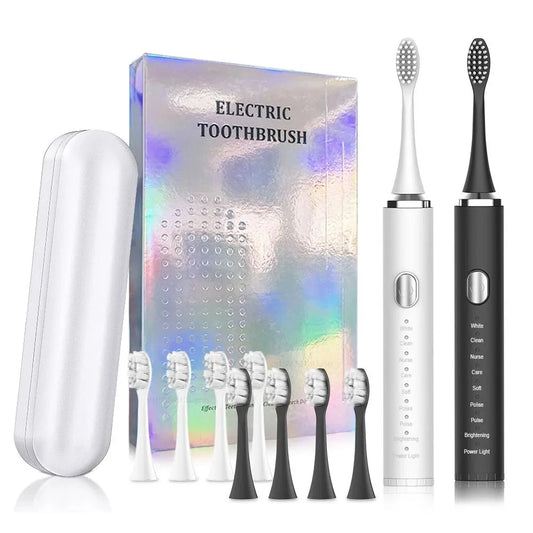
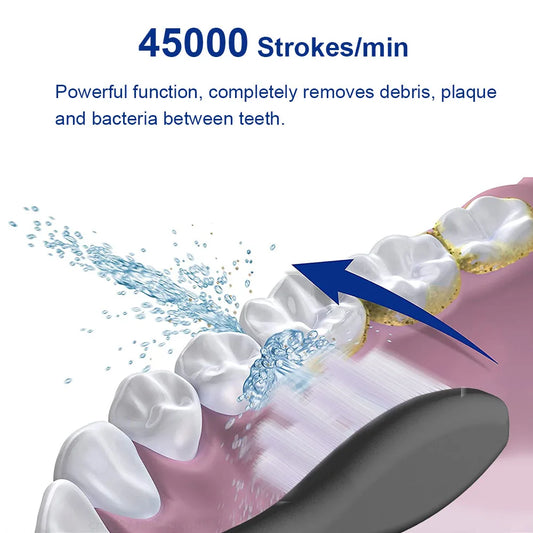
A high-quality toothbrush ensures plaque and bacteria don’t reach the point where AI or robotics are needed.
Digital Dentistry vs Traditional Dentistry
| Technology | Purpose | Status |
|---|---|---|
| Manual Radiograph Review | Detect cavities & gum issues | Standard |
| AI Diagnostics | Early detection & accuracy | Emerging |
| Robotic-Assisted Surgery | Implant placement & precision | Growing adoption |
| VR & AR | Education & guided procedures | Experimental |
The Future of AI in Dentistry
- Smarter diagnostics with predictive AI
- Faster, minimally invasive surgeries
- Personalized patient treatment plans
- Improved education for dentists and patients alike
The integration of AI, robotics, and VR/AR is shaping a future where oral care is proactive, precise, and more patient-friendly.
Final Thoughts
AI and digital tools are transforming dental care, but nothing replaces consistent daily oral hygiene. Using a quality toothbrush, combined with regular checkups, remains the foundation of healthy teeth—today and in the digital future.
FAQ
Can AI replace dentists?
No. AI assists dentists in diagnostics and planning but cannot fully replace professional judgment.
How do robotic-assisted implants improve outcomes?
They ensure precise placement, reduce errors, and help integrate implants naturally with gums and bone.
Will VR and AR make dental visits more comfortable?
Yes. They help patients understand procedures and allow dentists to work more accurately, reducing anxiety and mistakes.