
Emergencies can happen with little warning. Across North America, floods, wildfires, severe storms, winter weather, and extended power outages affect millions of people every year. While no one expects to face an emergency, being prepared can help reduce stress and make difficult situations more manageable.
Most people think about food and water when building an emergency kit, but many overlook everyday items that are essential for health, comfort, and hygiene. This guide covers the most important supplies to keep on hand and explains why personal hygiene items, including a toothbrush, deserve a place in every preparedness kit.
Common Emergency Situations in North America
North Americans face a variety of emergency situations that can disrupt daily life and require temporary evacuation or sheltering in place.
Some of the most common include:
- Floods
- Wildfires
- Severe thunderstorms
- Tornadoes
- Hurricanes and tropical storms
- Winter storms and blizzards
- Extreme heat events
- Power outages
- Transportation disruptions
- Temporary evacuations
Whether you're staying at home without power or leaving quickly for a temporary shelter, having essential supplies ready can make a significant difference.
The First Essentials: Water and Food
Water is often the most critical resource during an emergency. Access to clean drinking water can become limited due to infrastructure damage, contamination, or service interruptions.
Emergency food supplies should be easy to store, require minimal preparation, and have a long shelf life.
- Bottled drinking water
- Non-perishable food items
- Protein bars and snacks
- Canned foods
- Dried fruits and nuts
- Baby food if needed
- Manual can opener
Experts generally recommend keeping enough food and water to support your household for several days.
Health and Safety Supplies
Health and safety supplies should be easily accessible during any emergency situation.
- First aid kit
- Prescription medications
- Basic over-the-counter medications
- Bandages and antiseptic supplies
- Face masks
- Disposable gloves
- Emergency contact information
If a disruption lasts longer than expected, these items can help you manage minor health concerns until normal services resume.
Light, Power, and Communication
Power outages are one of the most common consequences of severe weather and natural disasters.
- Flashlights
- Extra batteries
- Portable power banks
- Phone charging cables
- Battery-powered or hand-crank radio
- Emergency lighting
Staying informed and maintaining communication with family members can be crucial during an emergency.
Important Personal Documents
Having access to important documents can make recovery and relocation easier if an emergency requires evacuation.
- Government-issued identification
- Insurance documents
- Medical information
- Emergency contact lists
- Property records
- Travel documents
Consider keeping both physical and secure digital copies whenever possible.
Clothing and Shelter Essentials
Weather conditions can change quickly during emergencies.
- Comfortable clothing
- Warm layers
- Rain gear
- Extra socks
- Blankets
- Emergency sleeping supplies
- Weather-appropriate footwear
These items can improve comfort and safety during temporary relocation or extended disruptions.
Personal Hygiene Essentials Often Forgotten
While emergency kits often focus on survival basics, personal hygiene remains important for overall health and well-being.
- Hand sanitizer
- Soap
- Wet wipes
- Tissues
- Personal care products
- Feminine hygiene supplies
- Towels
Maintaining good hygiene helps reduce the spread of germs, improve comfort, and preserve a sense of normalcy during stressful situations.
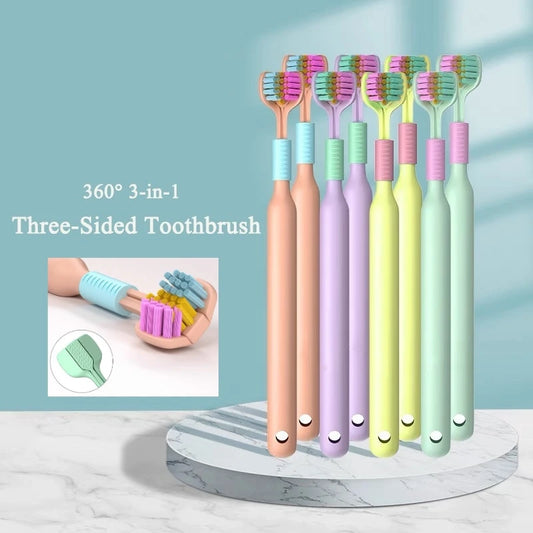
Why a Toothbrush Is an Emergency Essential
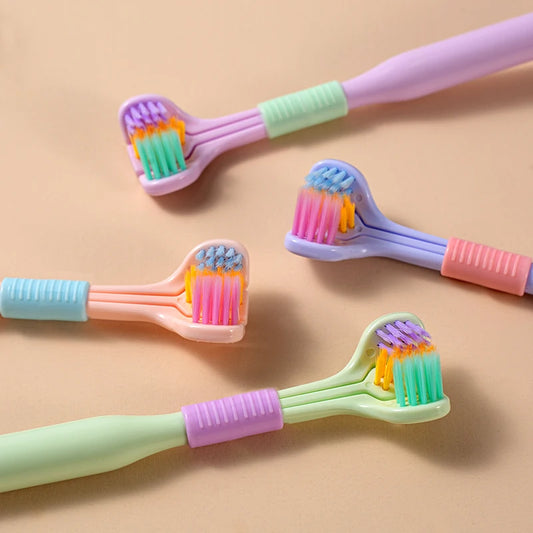
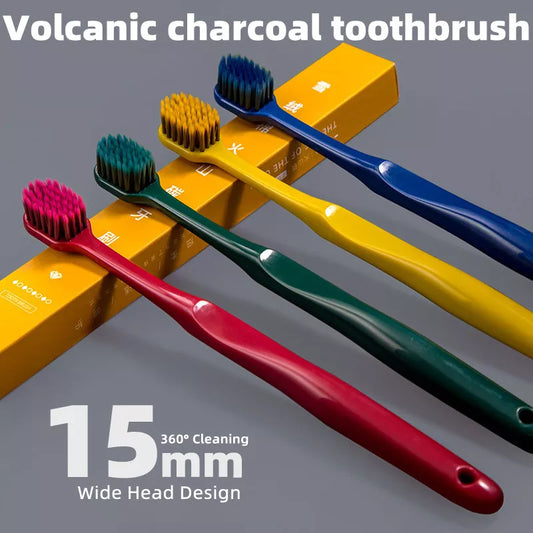
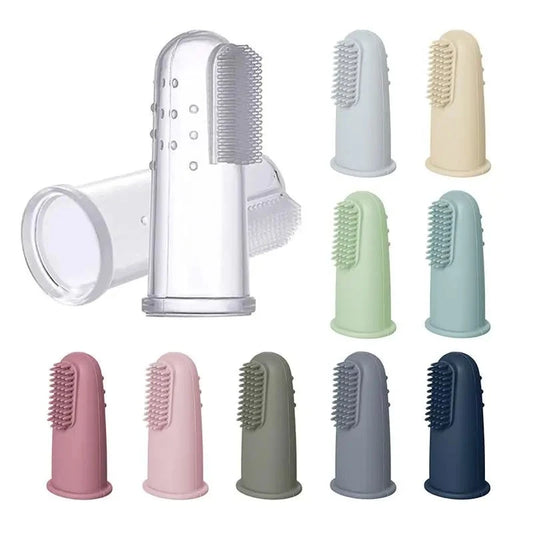
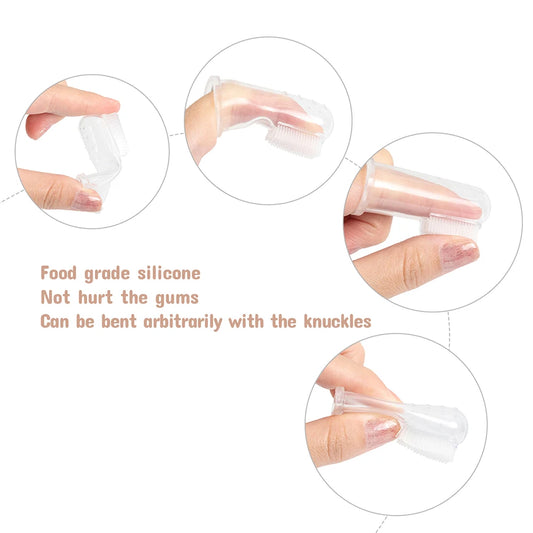
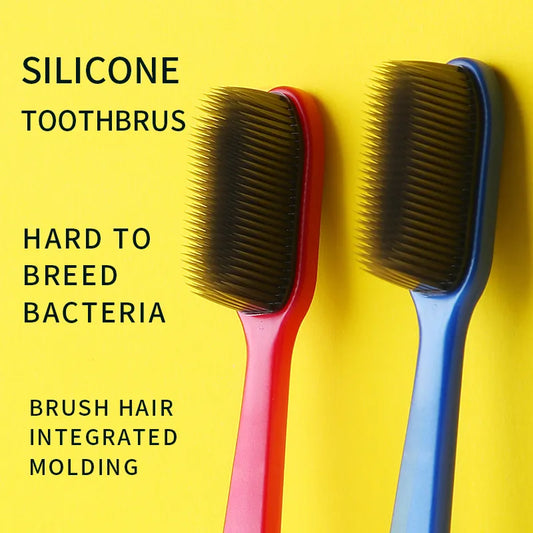
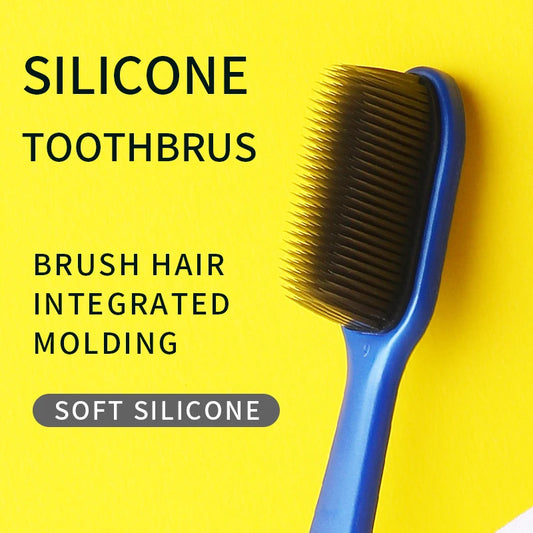
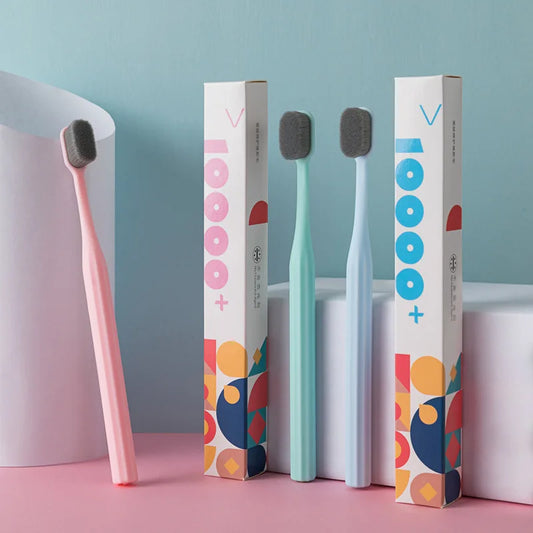
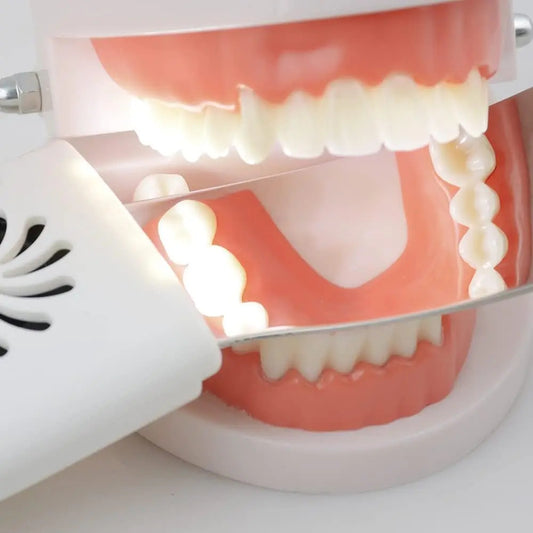
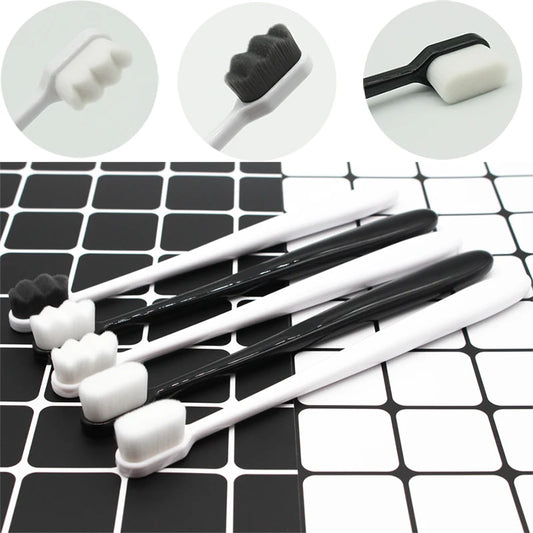
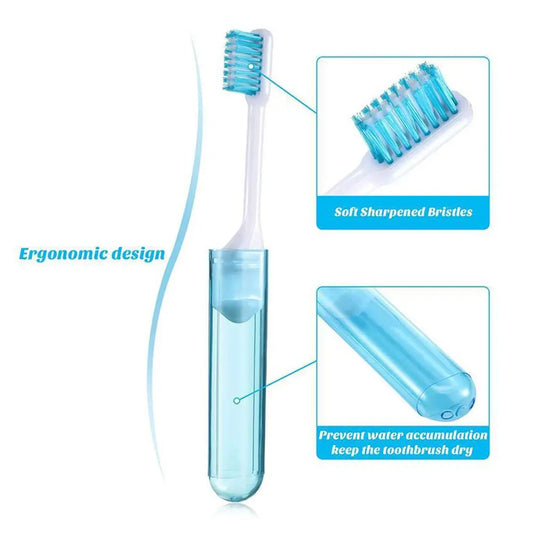
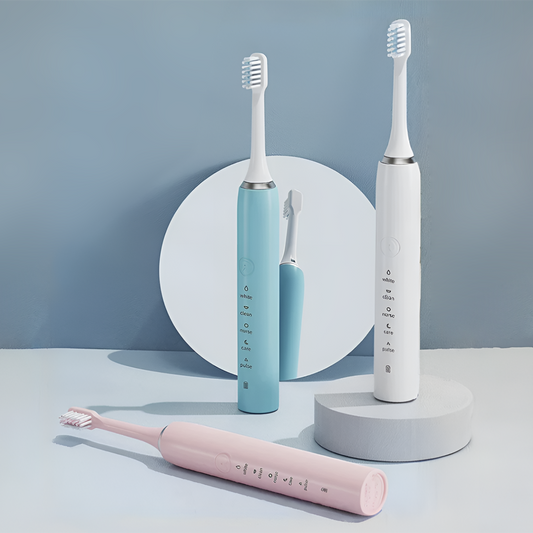
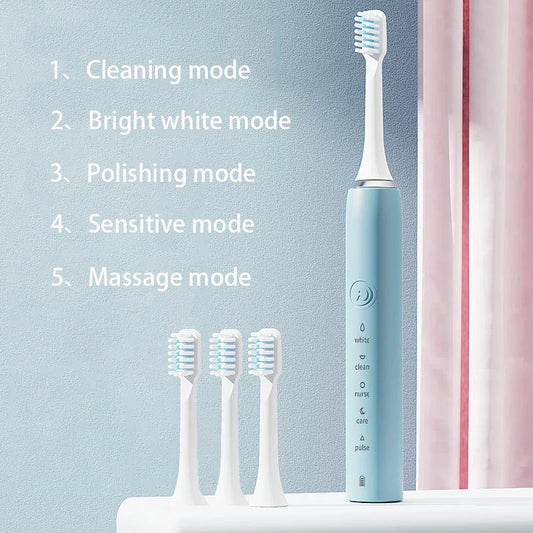
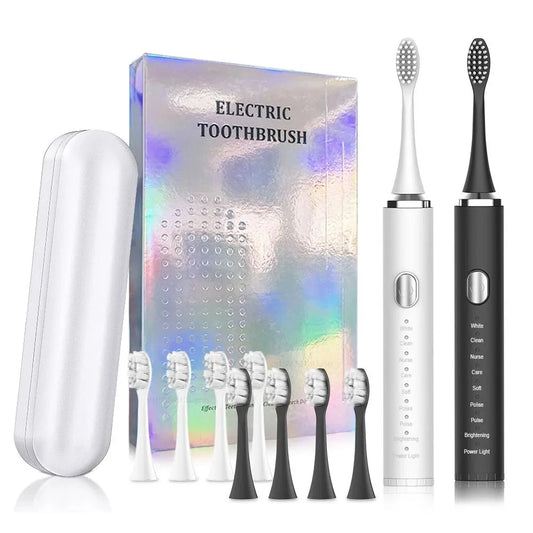
A toothbrush may seem like a small item, but it plays an important role in maintaining health and comfort during emergencies.
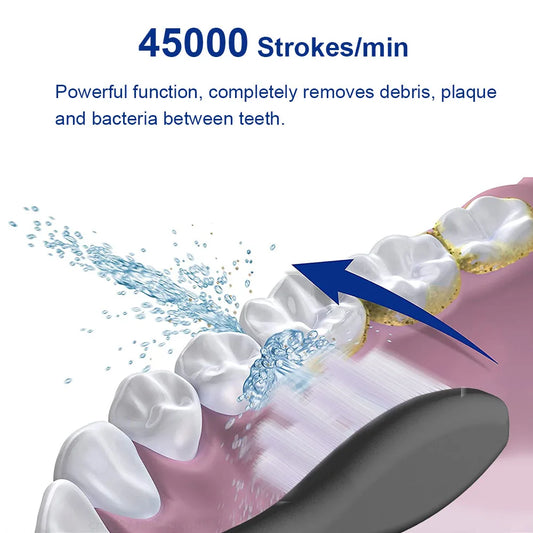
When daily routines are disrupted, oral hygiene is often one of the first habits people neglect. However, plaque and bacteria continue to accumulate regardless of the circumstances.
Brushing your teeth helps:
- Remove bacteria and food particles
- Prevent bad breath
- Support healthy gums
- Reduce the risk of dental discomfort
- Maintain daily routines during stressful situations
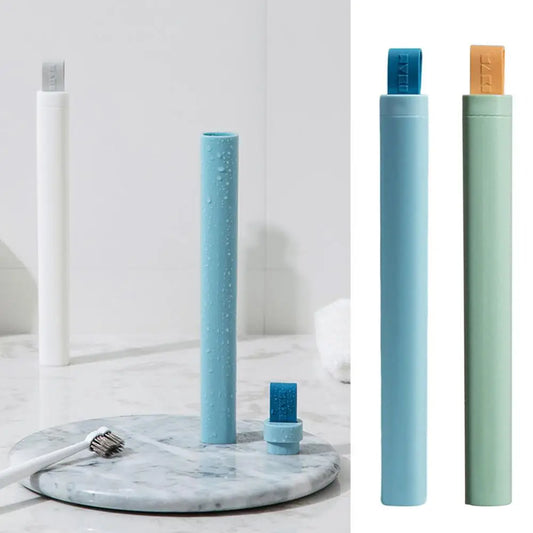
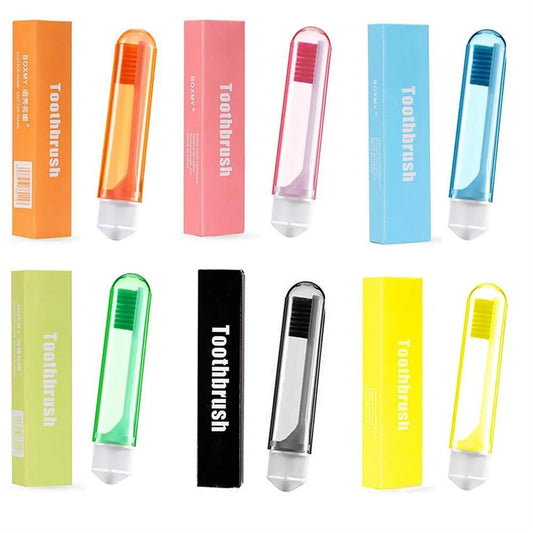
Unlike many emergency supplies, a toothbrush is lightweight, affordable, and takes up very little space. Whether you're staying with family, checking into temporary accommodations, sheltering in place, or evacuating quickly, having a toothbrush available can make a meaningful difference.
Building a Simple Emergency Hygiene Kit
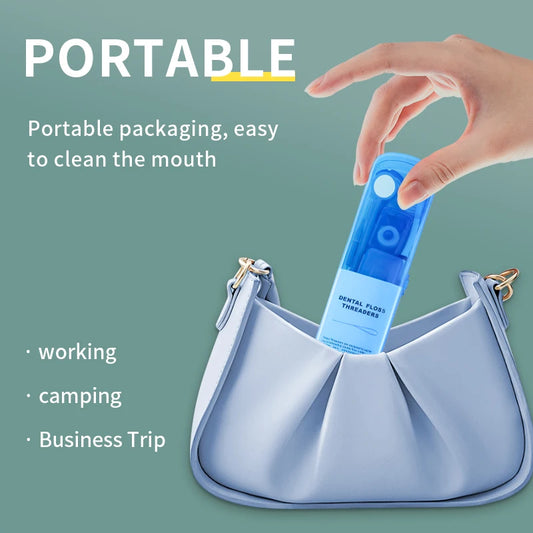
A dedicated hygiene kit can be stored alongside your emergency supplies and quickly grabbed when needed.
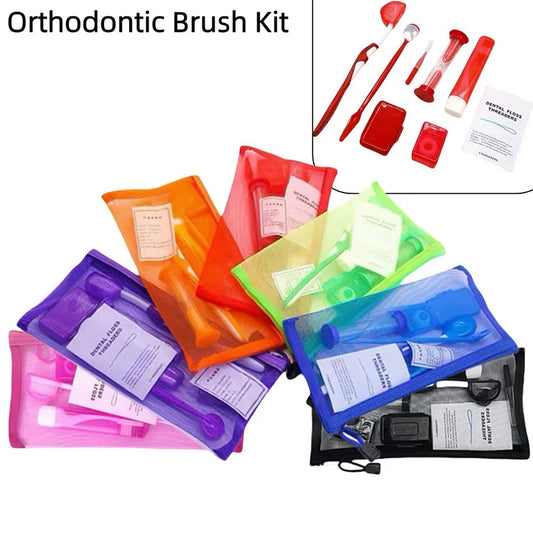
- Toothbrush
- Travel-size toothpaste
- Dental floss
- Hand sanitizer
- Wet wipes
- Soap
- Lip balm
- Tissues
- Small towel
These items require minimal storage space but can significantly improve comfort during an emergency.
Conclusion
Floods, wildfires, storms, winter weather, and power outages can occur unexpectedly, making preparation an important part of protecting yourself and your family.
While food, water, and safety supplies are essential, personal hygiene should not be overlooked. Small items such as a toothbrush, toothpaste, and other hygiene products help maintain health, comfort, and normal routines when everyday life is disrupted.
By building a well-rounded emergency kit today, you'll be better prepared for whatever tomorrow may bring.