
How Technology Is Transforming Dental Restorations
Dental care is evolving rapidly. Traditional fillings, dentures, and implants are being upgraded with advanced materials and digital technology—making them stronger, safer, and more natural than ever.
From antibacterial materials to 3D printing, modern dentistry is shifting toward smarter, longer-lasting solutions.
Antibacterial Adhesive Resin: Longer-Lasting Fillings
One of the most promising innovations in dental restoration is antibacterial adhesive resin, developed by researchers at Oak Ridge National Laboratory.
This advanced material does more than just bond fillings to teeth—it actively fights harmful bacteria.
Key Benefits:
- Helps prevent secondary cavities
- Extends the lifespan of dental fillings
- Reduces the need for repeat dental work
- Supports long-term oral health
This means fewer dental visits and more durable results for patients.
3D-Printed Dental Devices: Faster, More Precise Care
3D printing is revolutionizing how dental devices are created. What once took weeks can now be completed in hours.
Common 3D-Printed Solutions:
- Dentures
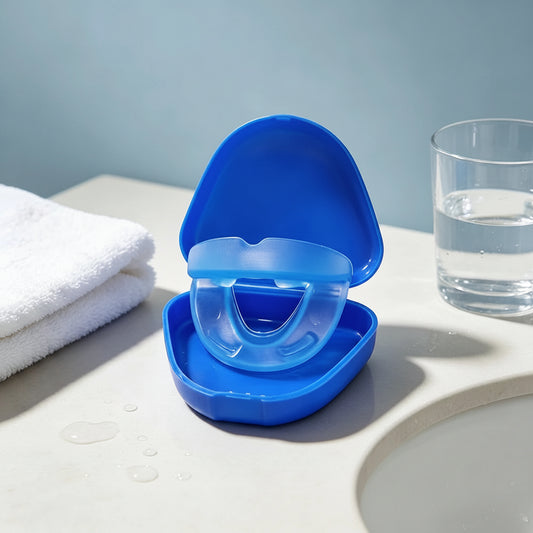
- Night guards
- Crowns
- Surgical guides
Why It Matters:
- Faster turnaround times
- Improved precision and fit
- Reduced costs over time
- More comfortable patient experience
Digital dentistry allows for highly customized solutions tailored to each individual.
Ceramic Implants: A Metal-Free Alternative
Traditional dental implants are typically made from titanium. While effective, they may not be ideal for everyone.
Ceramic implants are emerging as a popular alternative.
Advantages of Ceramic Implants:
- Natural tooth-like color (no gray metal visibility)
- Better aesthetics, especially for front teeth
- High compatibility with gum tissue
- Reduced risk of metal sensitivity
For patients focused on appearance and biocompatibility, ceramic implants offer a compelling option.
Nerve-Reconnecting Implants: Restoring Natural Sensation
A groundbreaking area of research at Tufts University is focused on nerve-reconnecting dental implants.
Unlike traditional implants, which do not restore sensation, these next-generation implants aim to reconnect with the body’s nervous system.
Potential Benefits:
- Improved integration with surrounding tissue
- Ability to sense pressure and temperature
- More natural chewing experience
- Enhanced connection between tooth and brain
If successful, this innovation could redefine what it means to “replace” a tooth.
What This Means for Your Oral Health
While these technologies are advancing quickly, most are still emerging or becoming gradually available.
That means preventive care is still your best strategy.
Even the most advanced dental solutions are more complex—and often more expensive—than maintaining healthy teeth from the start.
Protect Your Teeth Before You Need Restoration
The future of dentistry is exciting, but daily habits remain the foundation of oral health.
- Brush thoroughly twice a day
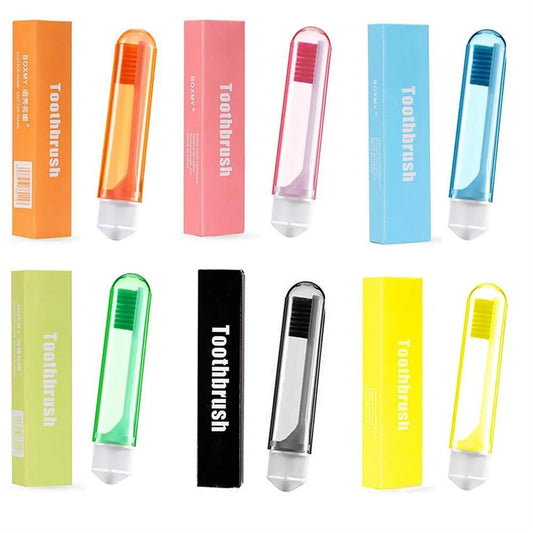
- Replace your toothbrush regularly
- Use gentle techniques to protect enamel
- Maintain consistent oral hygiene routines
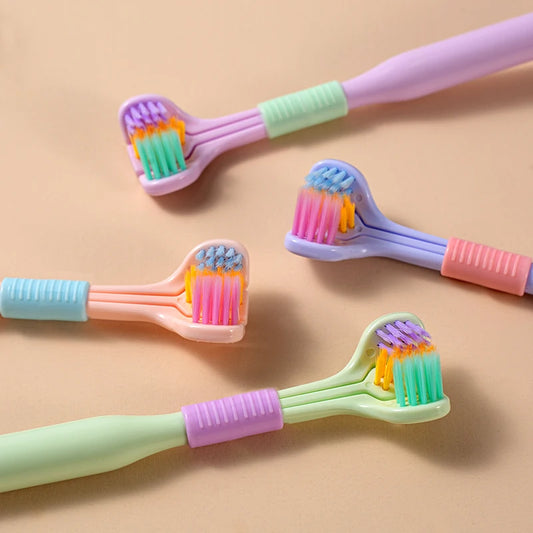
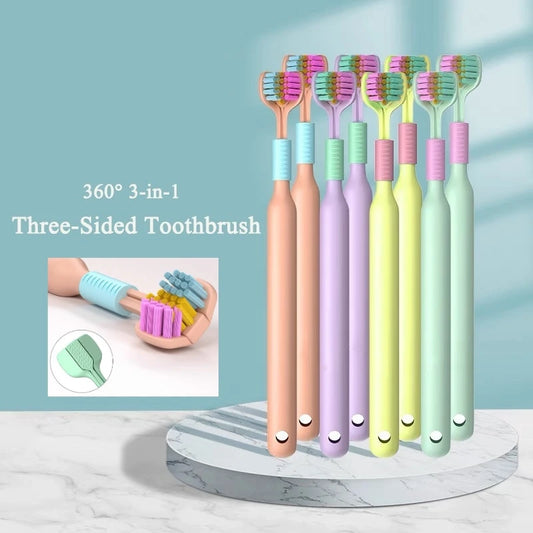
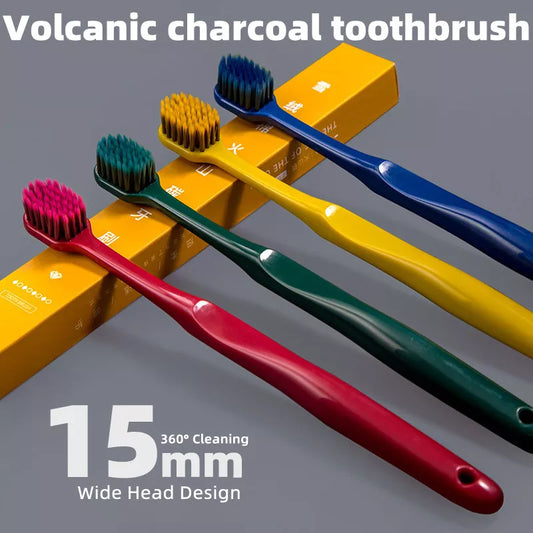
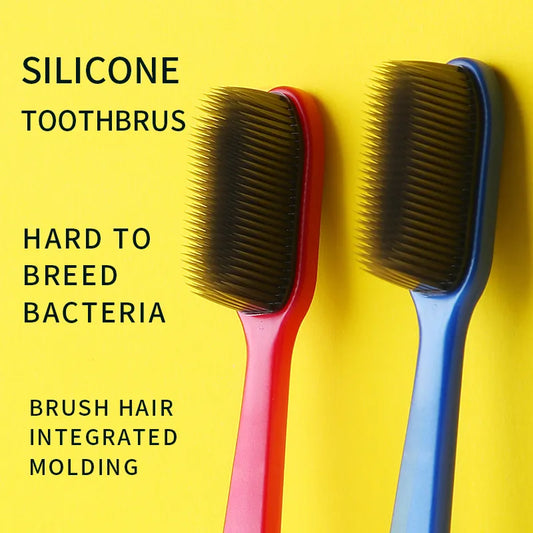
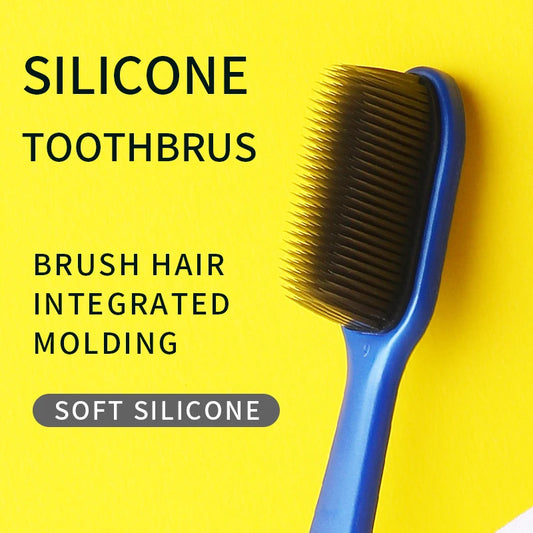
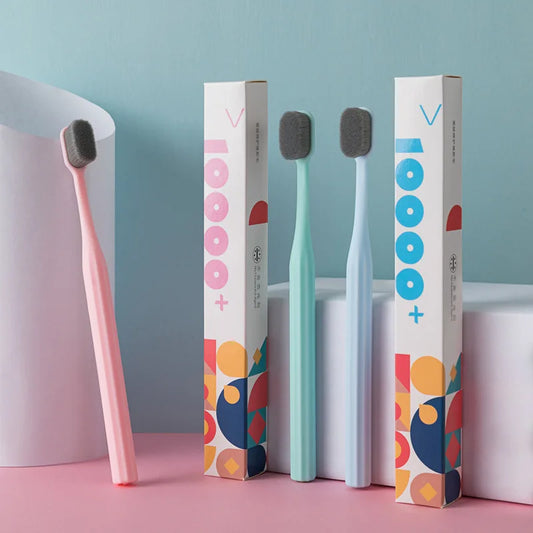
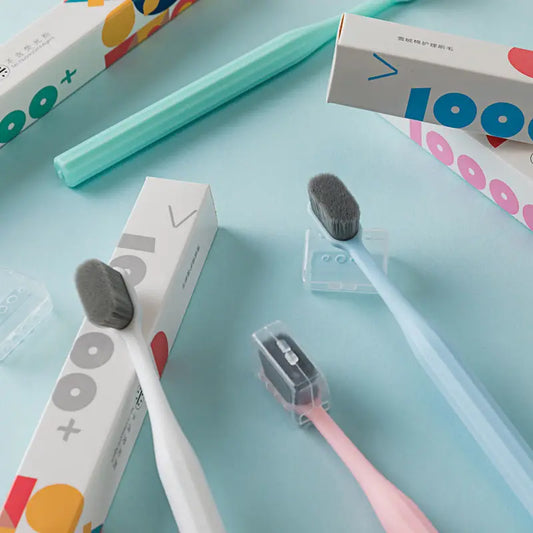
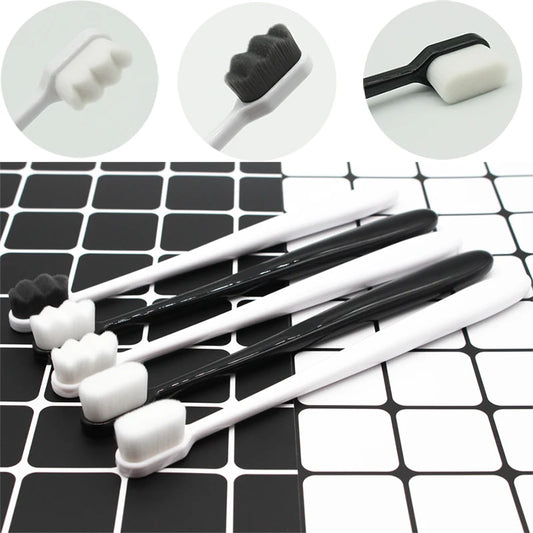
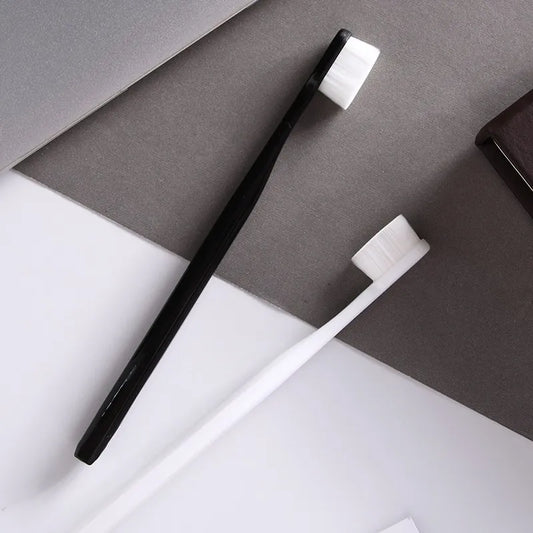
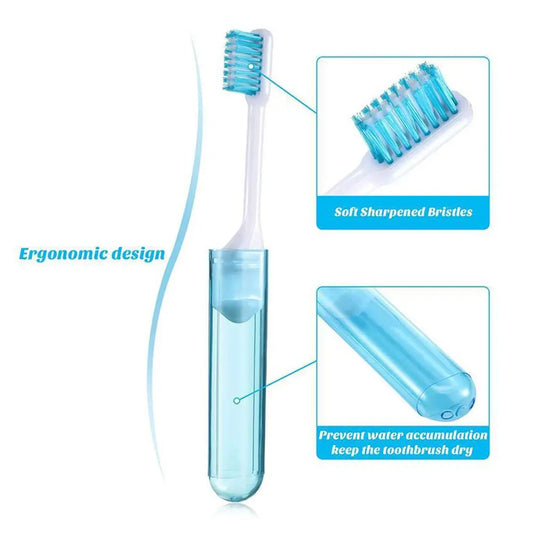
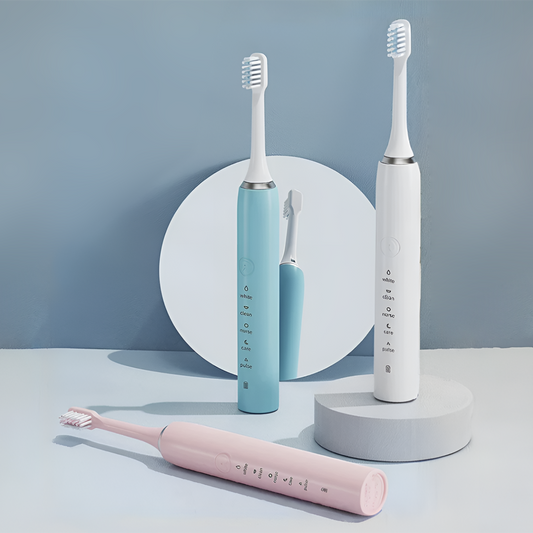
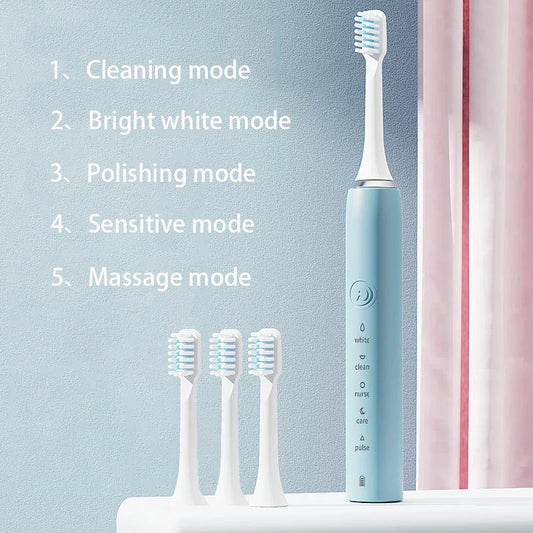
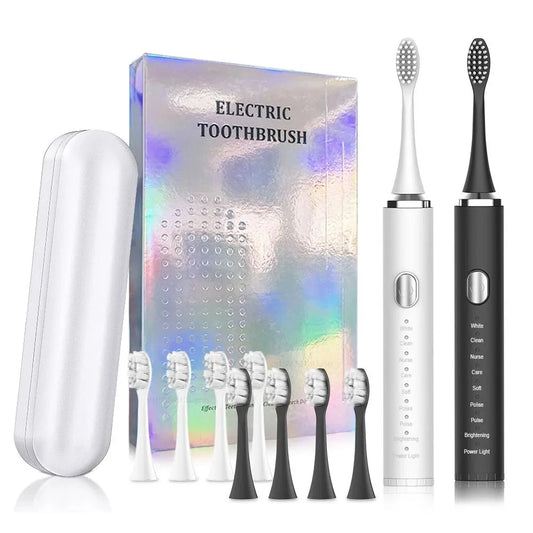
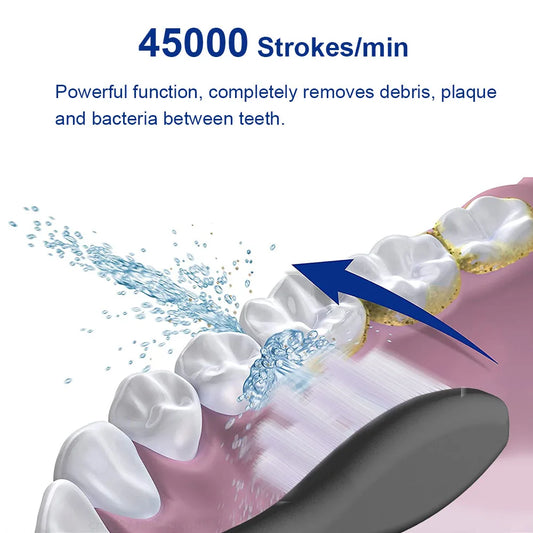
A high-quality toothbrush helps reduce plaque buildup and supports gum health—minimizing the need for advanced treatments.
High-Tech Dentistry vs Traditional Solutions
| Technology | Key Advantage | Status |
|---|---|---|
| Traditional Fillings | Basic cavity repair | Widely used |
| Titanium Implants | Durable tooth replacement | Standard |
| 3D-Printed Devices | Speed and precision | Growing adoption |
| Antibacterial Resin | Fights bacteria | Emerging |
| Ceramic Implants | Aesthetic and biocompatible | Increasing use |
| Nerve-Reconnecting Implants | Restores sensation | Experimental |
The Future of Dental Care
Dental innovation is moving toward:
- Smarter materials that prevent disease
- Faster, digital treatment methods
- More natural and biological integration
- Improved comfort and long-term outcomes
These technologies aim to make dental care more efficient, less invasive, and more aligned with the body’s natural systems.
Final Thoughts
High-tech restorations and implants are transforming dentistry—but they don’t replace the basics.
The best way to avoid complex procedures is still simple: take care of your teeth every day.
Because the less damage you have, the less you’ll need to rely on even the most advanced solutions.