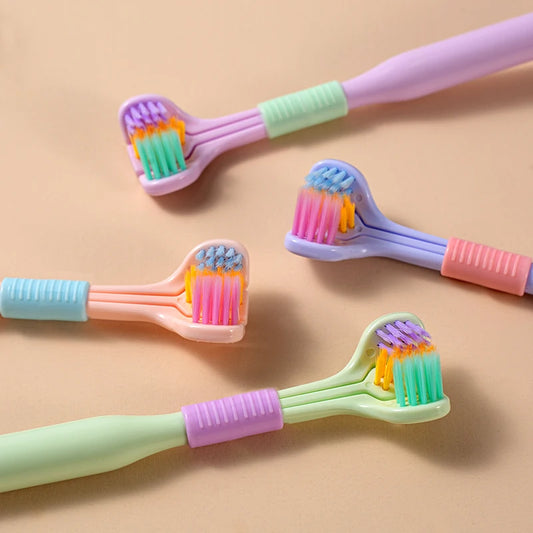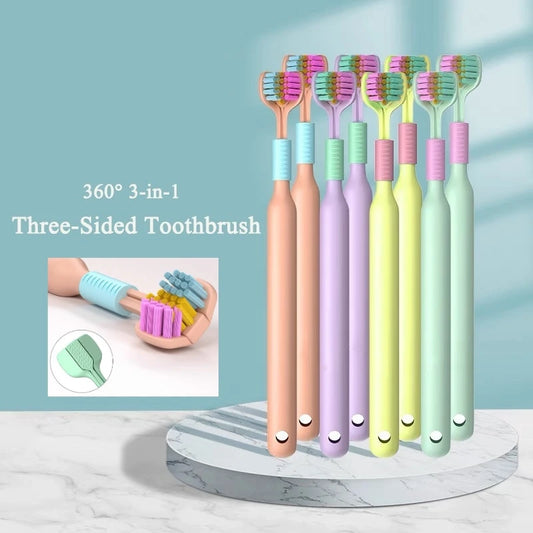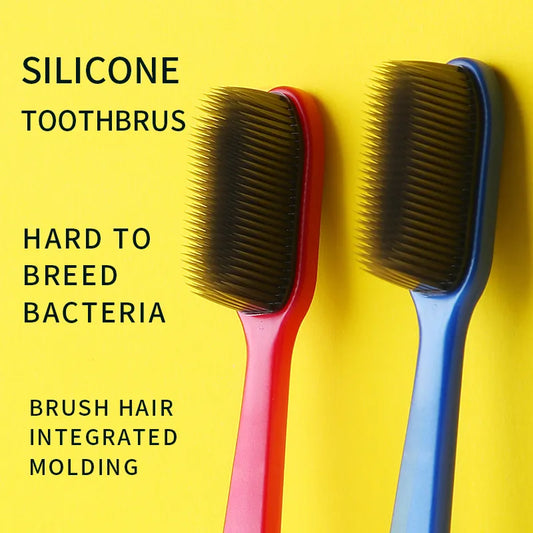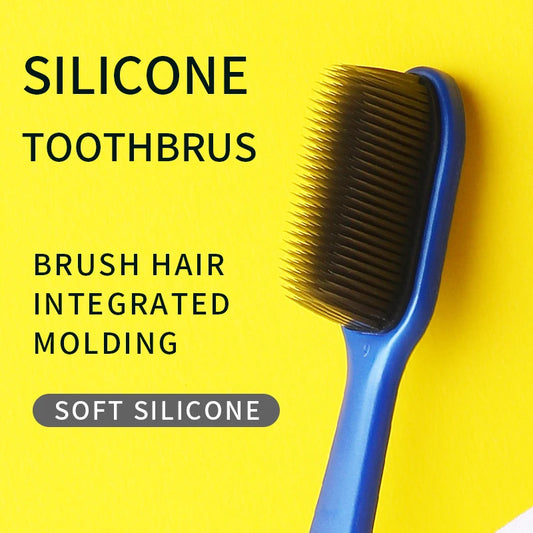

Your toothbrush is one of the most important tools for keeping your teeth and gums healthy. But even the best toothbrush doesn’t last forever. Over time, the bristles wear down, bacteria build up, and your brush becomes less effective at removing plaque. So, how often should you really replace your toothbrush? Dentists have a clear answer—and sticking to the right timeline can make a big difference for your oral health.
The Dentist-Approved Toothbrush Replacement Timeline
- Every 3 Months: The American Dental Association (ADA) recommends replacing your toothbrush—or electric toothbrush head—every three to four months. By this point, bristles usually lose their shape and cleaning power.
- When Bristles Are Frayed: Even if it hasn’t been three months, replace your toothbrush if the bristles are bent, splayed, or worn. Frayed bristles don’t reach between teeth or along the gumline effectively.
- After Illness: If you’ve been sick with a cold, flu, or other infection, swap out your toothbrush once you recover to avoid reinfection.
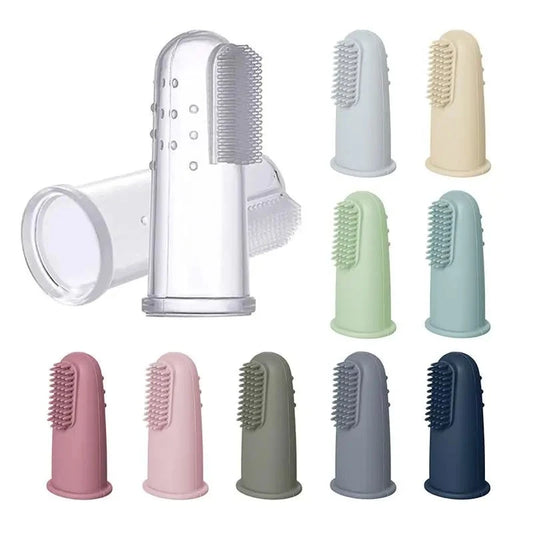
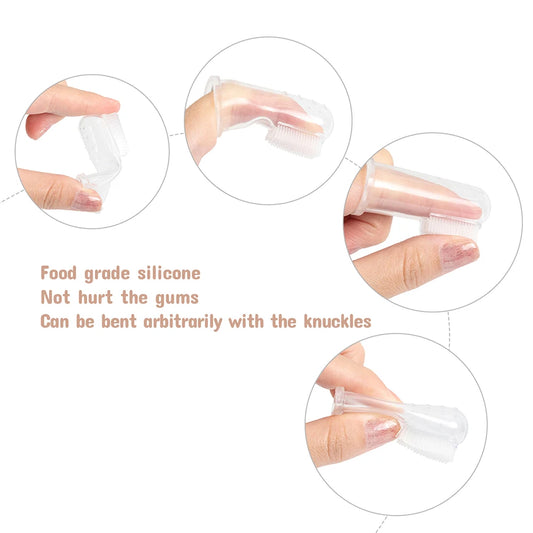
- For Kids’ Toothbrushes: Children often brush more vigorously and wear out bristles faster, so check their brushes frequently and replace as needed—sometimes every 2 months.
Why Regular Replacement Matters
- Better Cleaning: Fresh bristles remove plaque more effectively, helping prevent cavities and gum disease.
- Healthier Gums: Worn bristles can be rough on gums or miss key spots, leading to inflammation or bleeding.
- Hygiene: Toothbrushes naturally collect bacteria, food particles, and even mold if not stored properly. Replacing them reduces buildup.
How to Care for Your Toothbrush Between Replacements
- Rinse Thoroughly: After brushing, rinse your toothbrush under running water to remove toothpaste and debris.
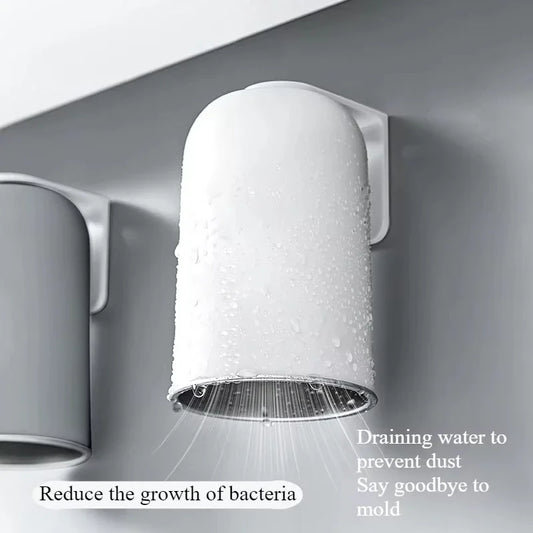
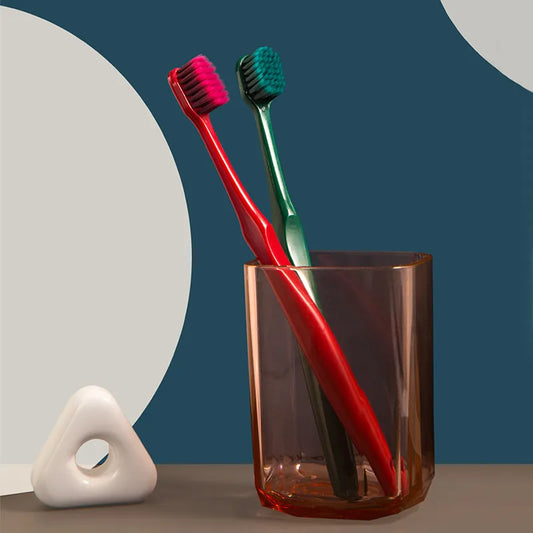
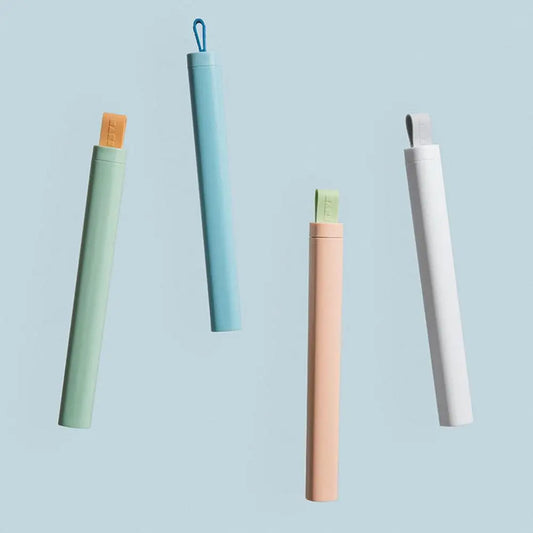
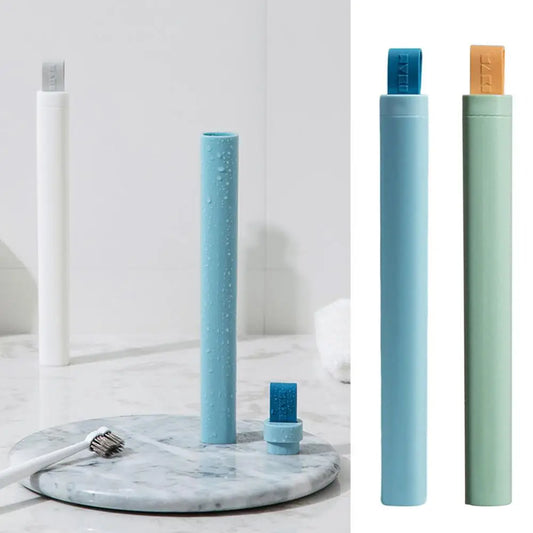
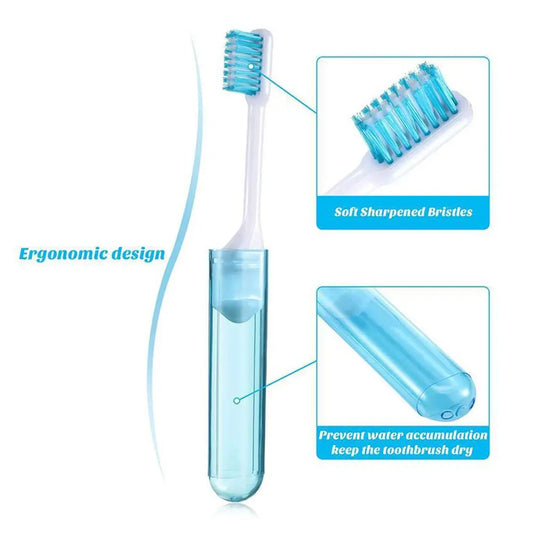
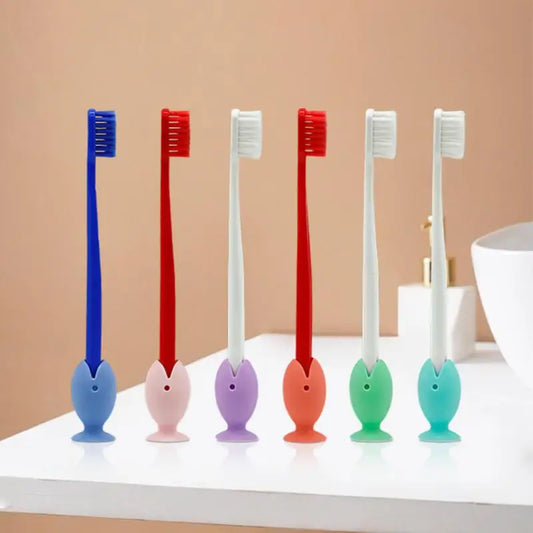
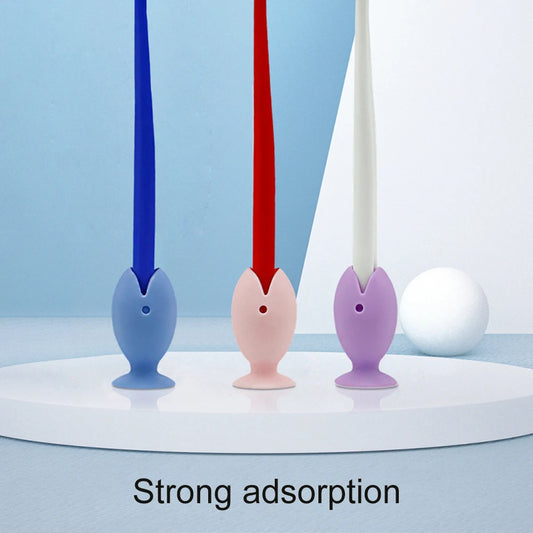
- Air Dry Upright: Store your toothbrush standing up in the open air. Avoid closed containers where bacteria thrive.
- Don’t Share: Sharing toothbrushes can spread germs and increase the risk of oral infections.
Choosing the Right Toothbrush for Long-Term Oral Health
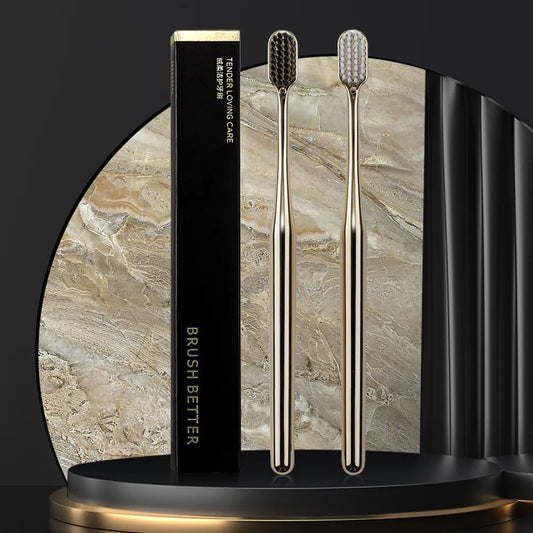
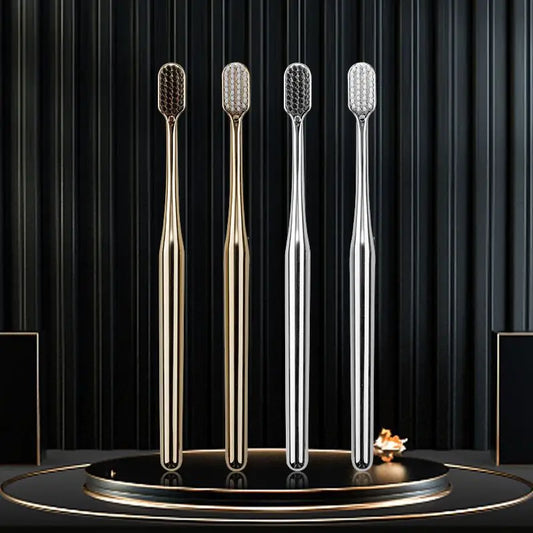
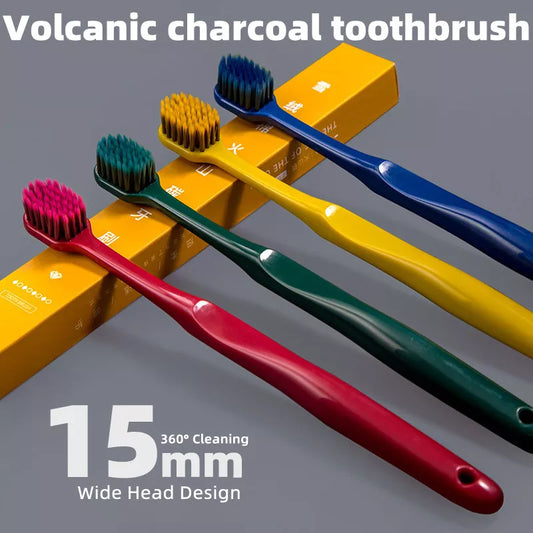
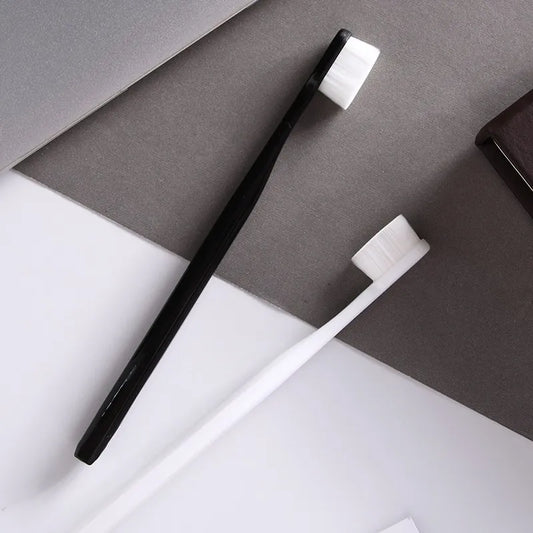
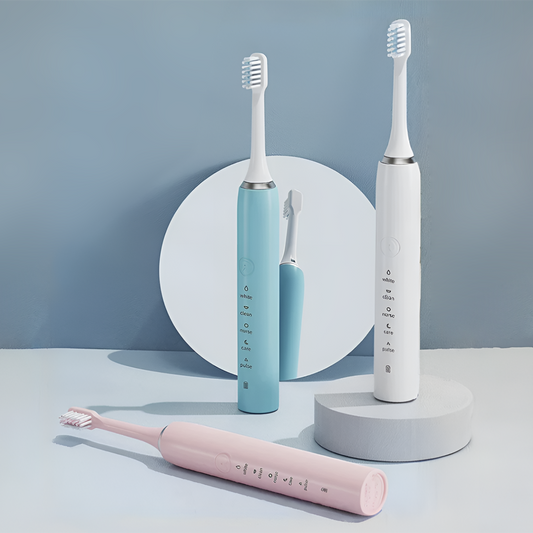
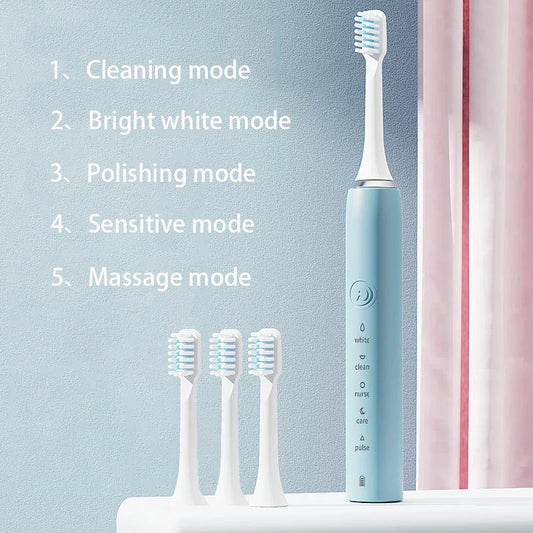
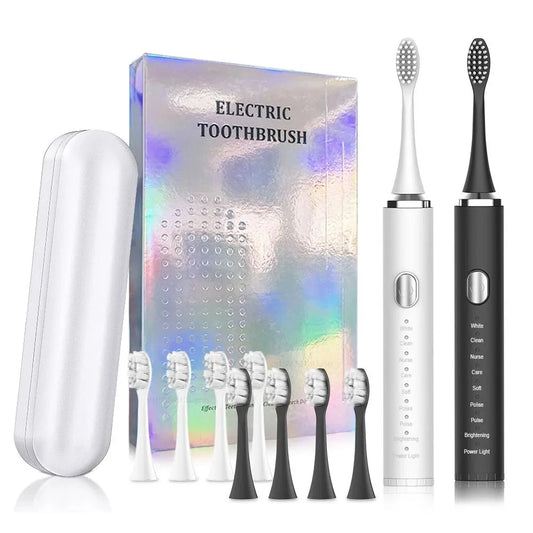
Whether you prefer manual or electric, the best toothbrush is one you’ll use consistently. Soft-bristled brushes are recommended by dentists because they clean effectively without damaging enamel or gums. If you use an electric toothbrush, follow the manufacturer’s instructions on replacing brush heads—usually every 3 months as well.
The Bottom Line
For a healthy smile, replace your toothbrush every three months—or sooner if bristles wear out or you’ve been ill. Pair this habit with daily brushing, flossing, and regular dental checkups, and you’ll keep your teeth and gums in great shape for years to come.