
Fluoride is one of the most important ingredients in modern oral care. Found in many toothpastes, mouth rinses, and even some drinking water supplies, fluoride helps protect teeth from cavities and supports long-term dental health. Understanding what fluoride is and how it works can help you make informed decisions about your oral hygiene routine.
What Is Fluoride?
Fluoride is a naturally occurring mineral found in water, soil, rocks, and certain foods. For decades, dental professionals have used fluoride as a proven method to reduce tooth decay and strengthen tooth enamel.
Today, fluoride is commonly added to toothpaste and other oral care products because of its ability to protect teeth against acid attacks that can lead to cavities.
How Does Fluoride Work?
Every day, your teeth go through a process called demineralization and remineralization.
Demineralization
When you eat or drink sugary and acidic foods, bacteria in your mouth produce acids that weaken tooth enamel. This process removes essential minerals such as calcium and phosphate from the tooth surface.
Remineralization
Your saliva naturally helps restore some of these lost minerals. Fluoride enhances this process by attracting minerals back to the enamel and helping rebuild weakened areas before cavities can develop.
Strengthening Tooth Enamel
Fluoride creates a stronger, more acid-resistant tooth surface. This makes teeth less vulnerable to future damage and decay.
Benefits of Fluoride for Oral Health
Regular exposure to fluoride offers several important benefits:
- Helps prevent cavities and tooth decay
- Strengthens tooth enamel
- Supports enamel repair in the early stages of decay
- Reduces sensitivity caused by weakened enamel
- Protects both children's and adults' teeth
- Contributes to long-term oral health
Fluoride in Toothpaste
Fluoride toothpaste is one of the simplest and most effective ways to protect your teeth. During brushing, fluoride coats the tooth surface and helps replenish minerals lost throughout the day.
Most dentists recommend brushing twice daily with fluoride toothpaste to maximize protection against cavities and enamel erosion.
Is Fluoride Safe?
When used as directed, fluoride is considered safe and effective by dental professionals worldwide. Major health organizations continue to support the use of fluoride in oral care products because of its proven ability to reduce tooth decay.
For young children, parents should supervise brushing and use an age-appropriate amount of toothpaste to minimize swallowing.
Who Benefits Most from Fluoride?
Fluoride benefits people of all ages, including:
- Children developing permanent teeth
- Teenagers prone to cavities
- Adults seeking cavity prevention
- Seniors experiencing enamel wear and gum recession
- Individuals with dry mouth or an increased risk of tooth decay
Tips for Maximizing Fluoride Protection
To get the most from fluoride:
- Brush twice daily with fluoride toothpaste
- Replace your toothbrush every three to four months
- Limit sugary snacks and beverages
- Maintain regular dental checkups
- Use additional fluoride products if recommended by your dentist
Choosing the Right Oral Care Products
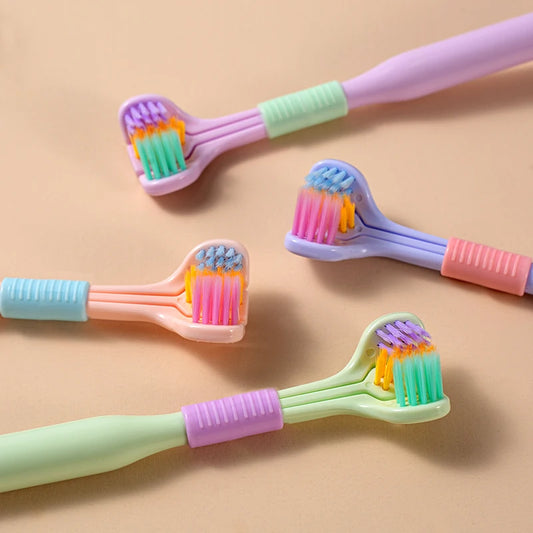
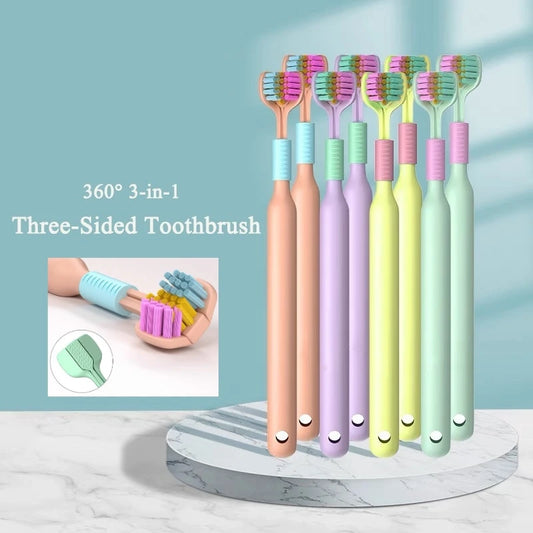
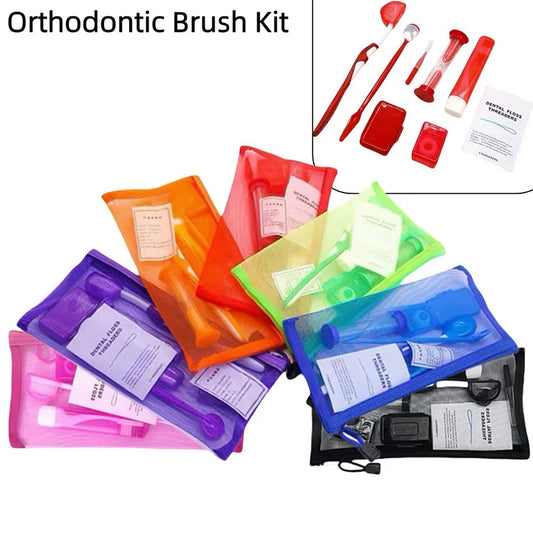
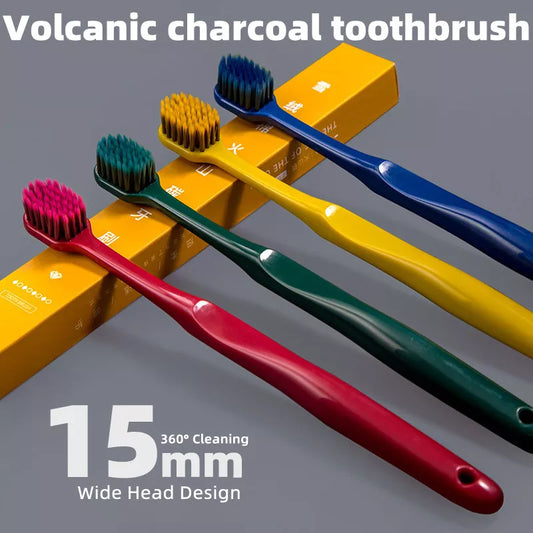
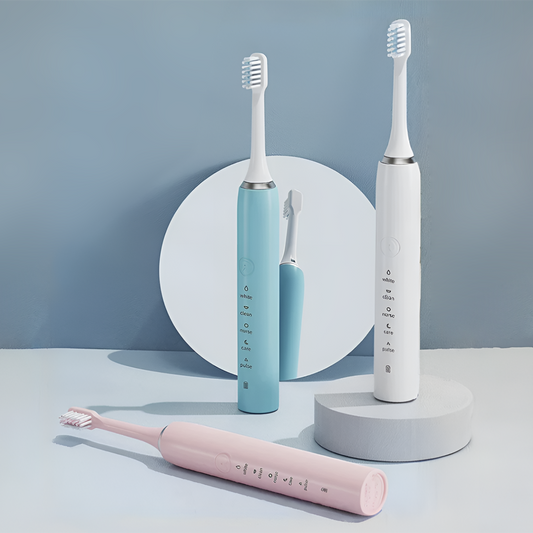
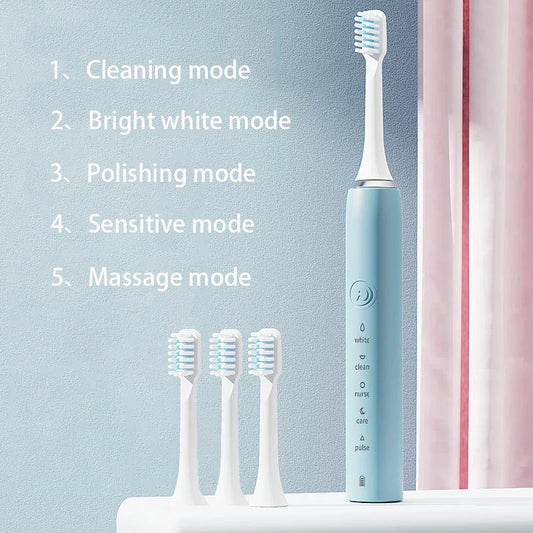
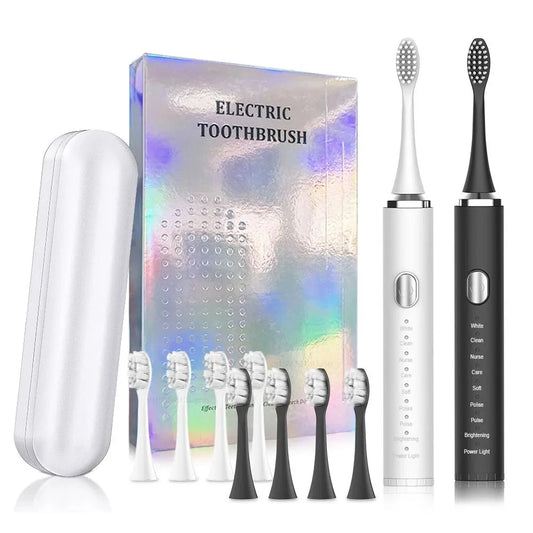
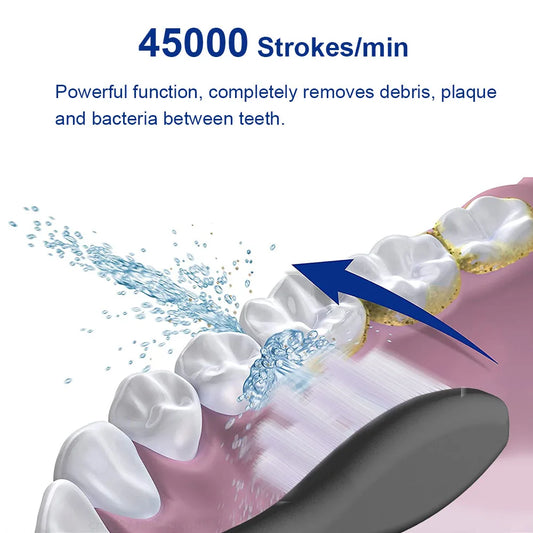
Not all oral care products are created equal. When selecting a toothbrush and toothpaste, look for products designed to support effective plaque removal and fluoride delivery. Consistent brushing with quality oral care tools helps maximize the benefits fluoride provides.
Conclusion
Fluoride plays a critical role in protecting teeth from decay, strengthening enamel, and supporting lifelong oral health. Combined with proper brushing, flossing, and regular dental care, fluoride remains one of the most effective tools for maintaining a healthy smile.
Whether you're choosing a new toothbrush, toothpaste, or building a complete oral care routine, understanding how fluoride works can help you keep your teeth stronger and healthier for years to come.