
If the back of your jaw feels sore, swollen, or hard to reach with a toothbrush, a wisdom tooth may be coming in. This is one of the most awkward spots in the mouth to clean, which is exactly why problems start there. Here is what is happening, how to clean around it safely, and when it is time to see a dentist.
Why This Spot Is So Hard to Clean
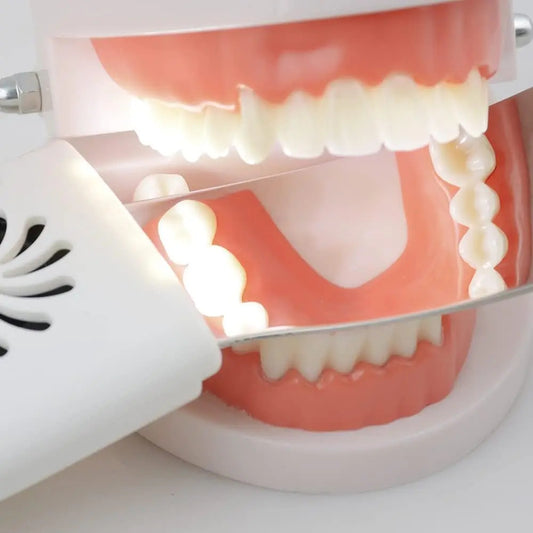
Wisdom teeth usually appear between the ages of 17 and 25, right at the very back corner of the jaw. There is often a flap of gum tissue partly covering the new tooth, which creates a pocket where food and bacteria collect. Add in limited space to open your mouth and a toothbrush head that may not fit well that far back, and it becomes one of the easiest spots in the mouth to under-clean.
When that area is not cleaned well, it can lead to pericoronitis, an infection of the gum tissue around a partly emerged tooth. This is one of the most common reasons people end up with pain in this area.
Signs a Wisdom Tooth Is Coming In
- Soreness or pressure at the very back of the jaw
- Red or swollen gum tissue behind your last molar
- A bad taste or smell coming from that area
- Difficulty opening your mouth all the way
- Mild swelling in the cheek or jaw
- A small white edge of tooth visible through the gum
Mild discomfort while a tooth is emerging is common. Sharp pain, swelling that keeps growing, or a bad taste that will not go away are signs of infection and need attention.
How to Clean Around It Safely
Choose the Right Brush
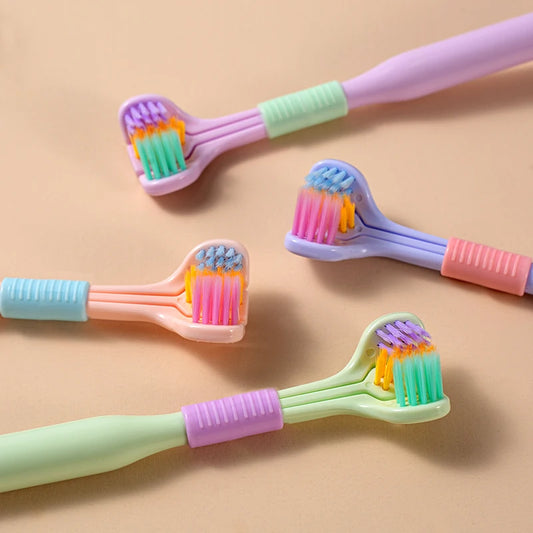
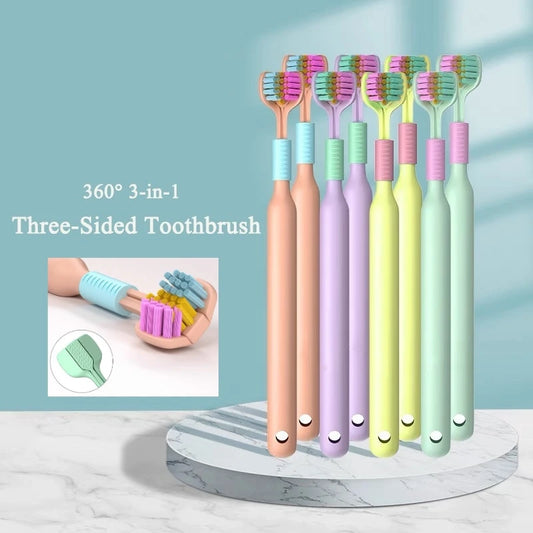
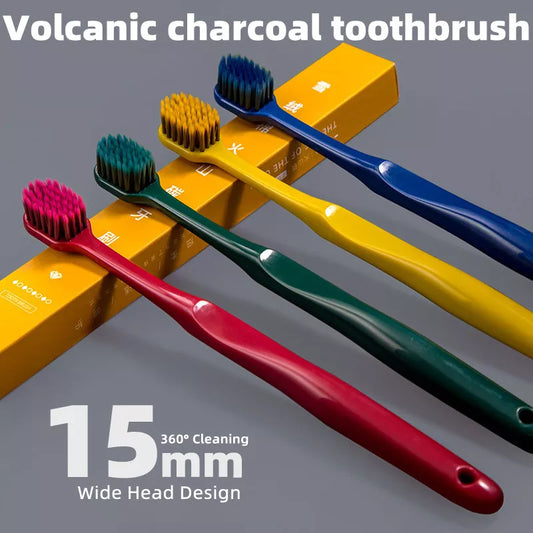
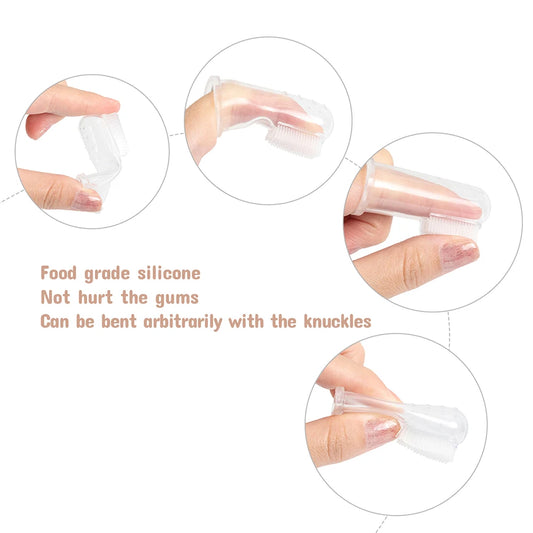
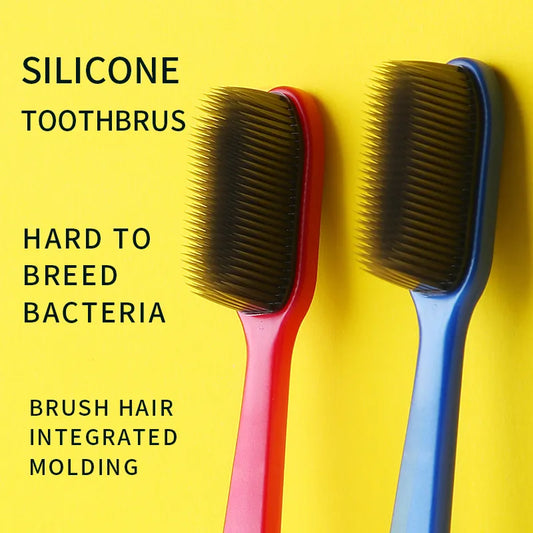
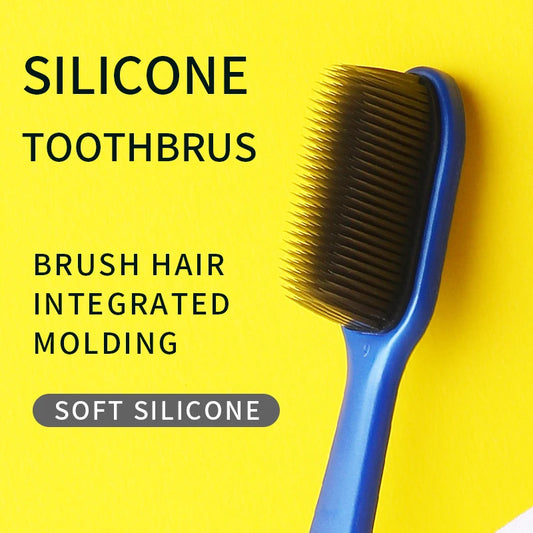
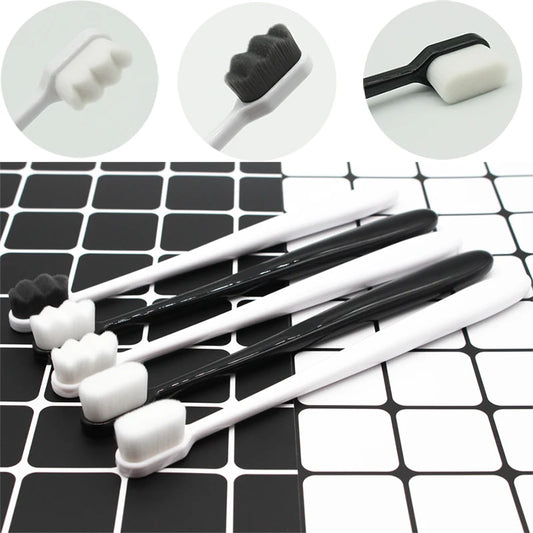
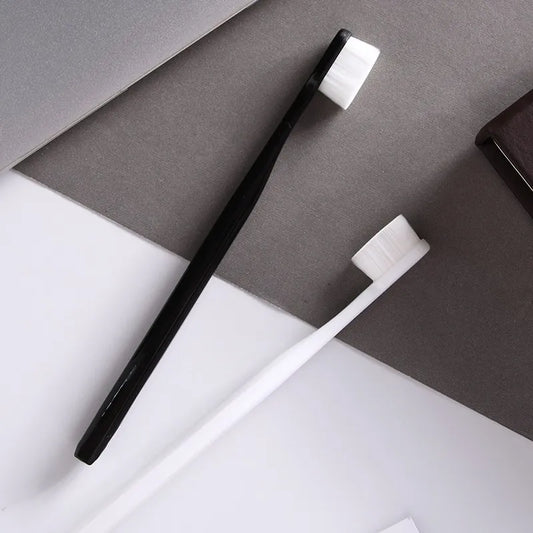
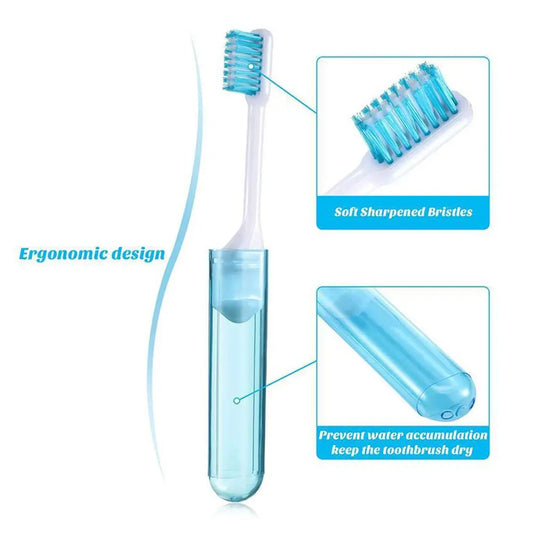
A toothbrush with a small head and soft bristles reaches tight back corners far more comfortably than a large head with stiff bristles. If your current brush feels too bulky to maneuver that far back, that alone could be why the area keeps getting missed. For general guidance on bristle types, see our post on soft, medium, and hard toothbrushes.
Angle the Brush Correctly
Tilt the brush head at roughly a 45-degree angle toward the gumline, and use small, gentle circular motions rather than scrubbing back and forth. Try to let the bristles reach just under the gum flap, without forcing or pressing hard enough to cause pain.
Rinse the Area
A warm salt water rinse, about half a teaspoon of salt in a cup of warm water, swished gently a few times a day, helps flush out food particles and bacteria trapped under the gum flap. This is especially useful right after meals, when brushing alone may not fully reach the pocket.
Use an Interdental Brush or Syringe
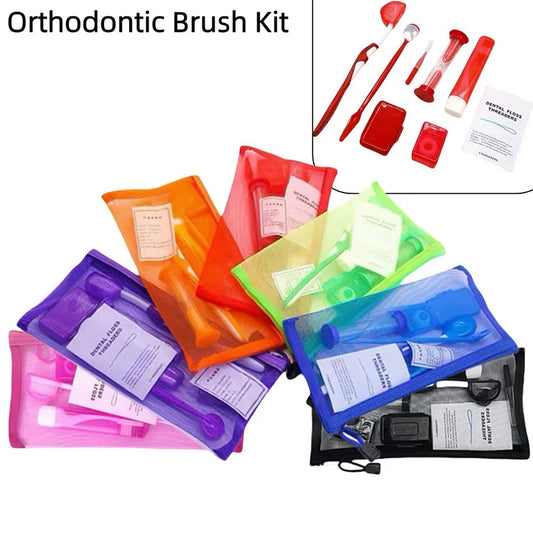
A small interdental brush or a dental syringe, available at most pharmacies, can flush out the gum pocket around a partly emerged tooth more thoroughly than a regular toothbrush alone. Ask your dentist whether this is a good option for your situation.
Be Consistent, Not Aggressive
It is tempting to either avoid the sore spot completely or scrub harder to compensate. Both make things worse. Gentle, consistent cleaning twice a day is what actually keeps the area healthy while the tooth finishes coming in.
What to Avoid While It's Coming In
- Avoid hard, crunchy, or sticky foods that can get trapped under the gum flap
- Avoid chewing directly on that side if it is tender
- Avoid skipping brushing in that area out of fear of pain. Skipping it tends to make things worse, not better
- Avoid smoking or vaping near the area, since it slows healing and increases infection risk
When to See a Dentist
Book an appointment if you notice any of the following:
- Pain that is getting worse rather than better
- Swelling in your face or jaw
- Pus, a persistent bad taste, or foul odour
- Difficulty swallowing or opening your mouth
- Fever
Your dentist can check whether the tooth has enough room to come in properly, clean the area professionally, and let you know whether removal is likely to be needed down the road. Keeping up with routine dental exams makes it much easier to catch this early.
Final Thoughts
A wisdom tooth coming in does not automatically mean trouble, but it does mean the back of your mouth needs more attention than usual for a while. The right brush, a gentle angle, and a daily salt water rinse go a long way toward keeping that spot healthy until the tooth settles in, or until your dentist decides on next steps.
This article is for general information only and is not a substitute for professional dental advice. Always consult your dentist about your own situation.