
A dull ache at the back of your jaw can turn into sharp, throbbing pain seemingly overnight. Wisdom tooth pain is one of the most common reasons people search for relief late at night or over a weekend, when a dentist is not easy to reach. Here is what usually causes it, what actually helps in the meantime, and how to know when it is time to call a dentist rather than wait it out.
What Causes Wisdom Tooth Pain
Pain at the back of the jaw usually comes from one of a few sources:
- Pericoronitis – infection and swelling of the gum tissue around a tooth that is only partly through the gum
- Pressure from an impacted tooth – a wisdom tooth growing at an angle, pressing against the tooth beside it
- Decay – wisdom teeth sit where a toothbrush struggles to reach, making them prone to cavities
- Trapped food – food and bacteria collecting under the gum flap, irritating the tissue
- Jaw strain – clenching or overworking the jaw while chewing around a sore spot
If you noticed mild soreness in this area building up over time, our earlier post on a wisdom tooth coming in covers the early stage, before pain becomes a bigger problem.
What Helps in the Meantime
While you wait for a dental appointment, these steps can ease discomfort:
Rinse With Warm Salt Water
Mix about half a teaspoon of salt into a cup of warm water and rinse gently a few times a day, especially after eating. This helps clear bacteria and food trapped around the sore tooth and can reduce swelling.
Use a Cold Compress
Holding a cold compress or ice pack wrapped in a cloth against your cheek, near the painful area, for short periods can help bring swelling and discomfort down.
Take Over-the-Counter Pain Relief
Standard over-the-counter pain relievers, taken as directed on the package, can help manage pain until you are seen by a dentist. If you are unsure which is appropriate for you, check with a pharmacist.
Keep the Area as Clean as You Can
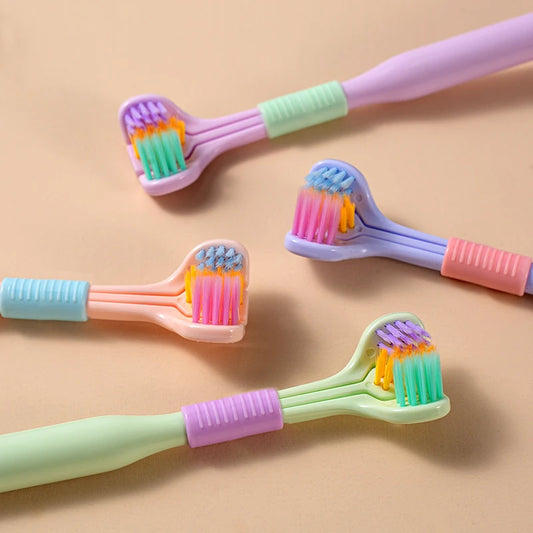
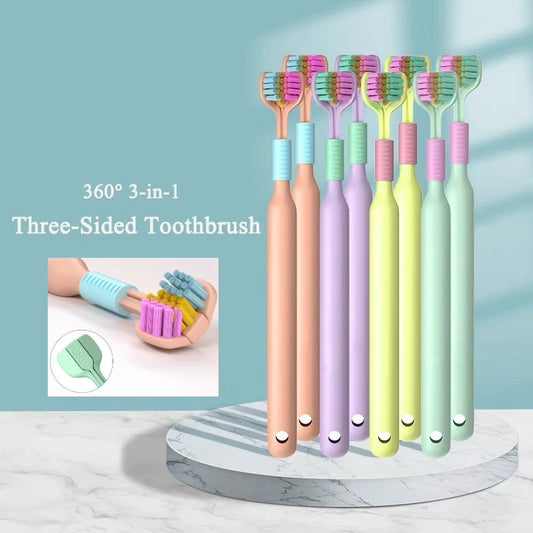
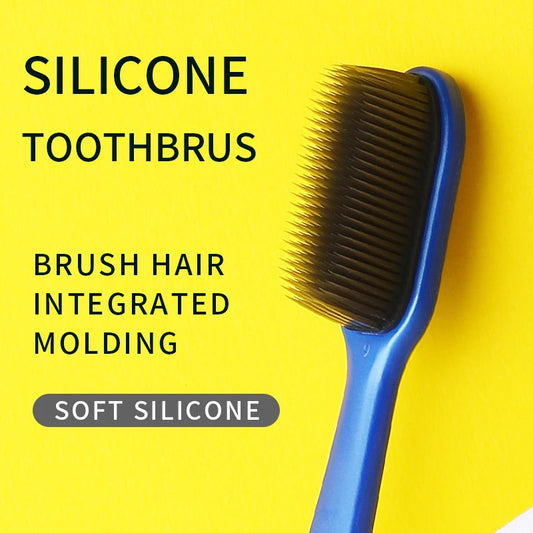
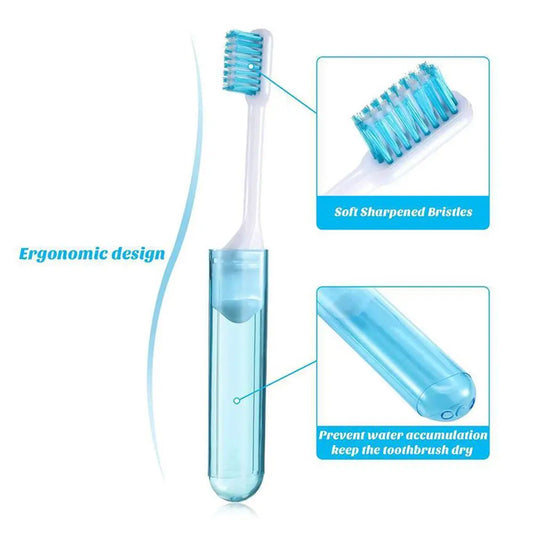
It is tempting to avoid brushing a painful spot entirely, but leaving it dirty usually makes things worse. Use a soft-bristled toothbrush with a small head, and clean gently around the sore area rather than skipping it. For technique, see our guide on cleaning around a wisdom tooth safely.
Stick to Soft, Cool Foods
Avoid hard, crunchy, spicy, or very hot foods while the area is inflamed. Soft, cool options such as yogurt, mashed potatoes, or a smoothie are easier on a sore jaw and less likely to get trapped near the tooth.
Avoid Chewing on That Side
Shifting your chewing to the opposite side of your mouth temporarily reduces pressure and irritation on the painful tooth.
What Will Not Help
- Skipping oral care in that area, which lets bacteria build up further
- Applying heat directly to the area, which can increase swelling rather than reduce it
- Poking at the gum flap with a toothpick or fingernail, which can introduce more bacteria and cause injury
- Waiting out severe or worsening pain, hoping it resolves on its own
When to Call a Dentist
Home care can help manage mild discomfort, but some signs mean you should not wait for a routine appointment:
- Pain that is severe, getting worse, or not responding to over-the-counter relief
- Visible swelling in your face, cheek, or jaw
- Difficulty opening your mouth, swallowing, or breathing
- Fever or feeling generally unwell
- Pus, a foul taste, or a bad odour coming from the area
- Pain that spreads toward your ear or neck
Difficulty breathing or swallowing, or swelling that is spreading quickly, are signs of a more serious infection and need urgent medical attention, not just a routine dental visit.
Even if your symptoms are mild, it is worth booking an appointment rather than waiting indefinitely. A dentist can take an X-ray, see exactly what is happening with the tooth, and treat the cause rather than just the pain. Staying on top of routine dental exams also makes it far more likely that problems like this get caught before they turn into an emergency.
Final Thoughts
Wisdom tooth pain is common, but it is also one of the clearer signals your mouth sends when something needs attention. Gentle home care can get you through until your appointment, but it is not a substitute for finding out what is actually causing the pain. When in doubt, call your dentist.
This article is for general information only and is not a substitute for professional dental or medical advice. If you are experiencing severe pain, difficulty breathing or swallowing, or signs of a spreading infection, seek medical attention right away.